
Stop Feeling Guilty About Spending on Yourself
Stop Feeling Guilty About Spending on Yourself
Ever bought something just for yourself and immediately felt that annoying pang of guilt afterward? Like, “Wow, did I really need that?” Yeah, me too. It’s weird how we can spend on others without a second thought, but when it’s for us, suddenly we’re questioning every decision like an accountant during tax season.

Let’s talk about that guilt, why it creeps in, and why you should stop feeling bad about treating yourself. Because newsflash, you deserve nice things, and no, that doesn’t make you selfish.
Why You Feel Guilty in the First Place
We grow up hearing all those lines, “Save for a rainy day,” “Money doesn’t grow on trees,” “Don’t waste money on silly things.” Somewhere between childhood and adulthood, we absorbed the idea that spending on yourself equals irresponsibility.
But here’s the thing, it’s not about irresponsibility, it’s about balance. Spending on yourself doesn’t mean blowing your savings on random junk. It means acknowledging your worth and realizing that you deserve comfort, joy, and experiences too.
Ever noticed how you’ll justify buying something expensive for your family or friends but hesitate when it’s for you? That’s conditioning talking. Society kinda glorifies self-sacrifice, like being constantly deprived makes you noble. Sorry, but being miserable to prove you’re responsible? Hard pass.

Spending on Yourself Isn’t Selfish, It’s Self-Respect
Let’s get this straight: there’s a big difference between being selfish and practicing self-respect.
When you spend on yourself thoughtfully, you’re saying, “I value myself enough to invest in my happiness.” Whether it’s getting a massage, buying a book you’ve wanted for months, or finally upgrading that old laptop, these things aren’t indulgences, they’re affirmations.
It’s like watering a plant. You can’t expect it to thrive if you never give it what it needs. You’re that plant, FYI. 🙂

If you constantly deny yourself joy, you slowly build resentment and burnout. You start thinking you’re not worthy of good things. That’s dangerous, and it sneaks into every area of your life, relationships, work, even how you talk to yourself.
The “Guilt Loop” That Keeps You Stuck
Here’s what usually happens:
-
You buy something that makes you happy.
-
You feel a burst of joy.
-
Guilt shows up like an uninvited guest.
-
You start questioning your decision.
-
The joy fades, and now you just feel anxious.
Sound familiar?
That’s the guilt loop, and it’s emotionally exhausting. The worst part? It’s completely unnecessary. Guilt is meant to keep us from doing something wrong, not from living a little.
So unless you just emptied your entire bank account for a glow-in-the-dark blender (which, let’s be honest, sounds kind of cool but still no), you don’t need to feel bad.

The Difference Between Mindless Spending and Self-Investment
Let’s make something clear: this isn’t an excuse to go wild on shopping sprees.
There’s a difference between spending mindlessly and spending intentionally.
Mindless spending feels like:
-
You buy something to fill an emotional void.
-
You regret it five minutes later.
-
It doesn’t actually add value to your life.
Intentional spending, on the other hand, feels like:
-
You buy something that improves your quality of life.
-
It aligns with your goals or brings real happiness.
-
You feel calm and content afterward, not guilty.
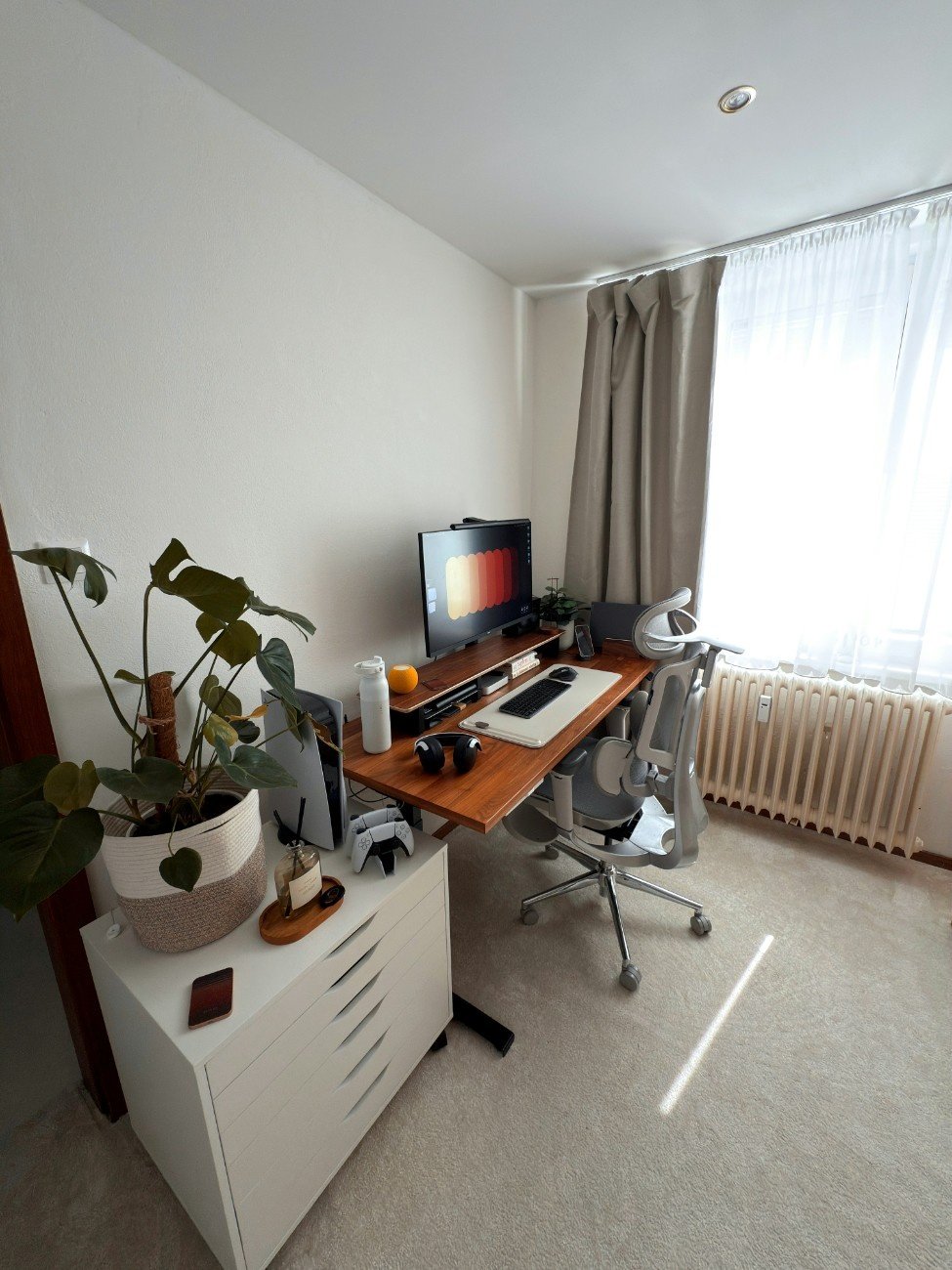
Here’s a personal example: I once spent way too much on a standing desk. At first, I felt ridiculous, like, “Did I really need this when my kitchen table works fine?” But a week later, I noticed my back stopped hurting, I felt more productive, and I was working longer without fatigue. That’s self-investment, not splurging.
How to Spend Without the Guilt
Okay, so how do you enjoy your money without letting guilt ruin the fun? Try these simple mindset shifts.
1. Reframe “I Don’t Need It” Into “Do I Value It?”
Instead of asking, “Do I need this?” ask, “Does this add value to my life?”
Need is basic survival, food, rent, and electricity. But value is emotional and personal. Maybe that art print or scented candle doesn’t keep you alive, but it does make your space feel peaceful. That’s worth something.
2. Budget for Joy
We plan for bills, groceries, and emergencies, but when’s the last time you budgeted for happiness?
Try setting aside even 5–10% of your income for fun spending, guilt-free money that’s yours to enjoy however you want. You’d be surprised how freeing that feels.

3. Practice Gratitude, Not Guilt
When you buy something for yourself, take a second to appreciate it. Instead of “I shouldn’t have spent that,” say, “I’m grateful I could afford this.”
Gratitude flips the narrative from guilt to appreciation. It reminds you that spending is a privilege, not a crime.
4. Track Joy, Not Just Expenses
We track every expense, but rarely track how something made us feel. Try noting what purchases actually made you happier long-term. You’ll quickly see the pattern: meaningful spending brings joy, impulse spending brings regret.
This simple habit makes future decisions easier and cuts out the guilt automatically.
Ever Noticed How Easy It Is to Spend on Others?
We don’t hesitate to gift friends, treat coworkers, or buy something “for the house.” But when it’s for us, suddenly we become philosophers about financial restraint. Why?
Because deep down, many of us tie our worth to productivity and sacrifice. We think giving makes us “good,” and receiving makes us “selfish.”
That’s outdated thinking. Taking care of yourself doesn’t take away from anyone else. In fact, the better you feel, the more you have to give. Try pouring from an empty cup, spoiler, it doesn’t work.
Spending on Yourself Improves Your Mindset
Money is emotional, whether we admit it or not. The way you treat your money often mirrors how you treat yourself.
When you start allowing yourself small luxuries or self-care purchases, you subconsciously send yourself a message, “I’m worth it.” And that’s powerful.
You start showing up differently. You become more confident, less resentful, and more grateful. It’s not about the object you bought, it’s about the mindset it builds.
Ever bought new running shoes and suddenly felt motivated to work out again? That’s the mental shift we’re talking about. Small spending choices can lead to big emotional payoffs.
Let’s Talk About “Financial Guilt” Culture
There’s a weird kind of moral superiority attached to being frugal. People brag about not buying coffee like it’s a badge of honor. But here’s a fun thought: maybe life’s too short to guilt-trip yourself over a latte.
Frugality is great when it’s intentional. But constant deprivation isn’t discipline, it’s self-denial. You don’t earn extra life points by being miserable.
If you’re financially responsible, saving consistently, and not overspending, there’s zero reason to feel bad about treating yourself.
And IMO, that “guilty pleasure” term needs to retire. If it brings you genuine joy, what’s there to feel guilty about?
Real Talk: You Can’t Save Your Way to Happiness
Here’s a truth nobody likes to say out loud: saving is smart, but it won’t fix your happiness if you treat yourself like a robot.
Money is a tool, not a trophy. If you never use it to improve your quality of life, what’s the point?
Imagine working for years, saving every penny, and realizing you missed out on life’s small joys, the dinners, the travels, the hobbies you kept postponing. That’s not financial wisdom, that’s regret in disguise.
You can build wealth and enjoy your life. The two aren’t enemies.
Signs You’re Ready to Let Go of the Guilt
Still unsure if you’re doing it right? Here are some quick signs that you’ve found your balance:
-
You feel excited, not anxious, when you buy something for yourself.
-
You don’t feel the need to justify your purchases to others.
-
You can spend without losing control of your finances.
-
You view money as a tool, not a trap.
If you tick those boxes, congrats, you’re spending like a grown-up who knows their worth.

A Little Reminder Before You Go
At the end of the day, money should make your life better, not heavier.
If you’ve been living in constant guilt for buying things you enjoy, it’s time to change that story. You’re not wasteful. You’re human. You work hard, and it’s okay to reward yourself.
Next time you hesitate over something you genuinely want, remember this: you’ve earned the right to spend without guilt. So go ahead, get the massage, buy the shoes, order that dessert.
You don’t need permission to enjoy your own money. Just make it intentional, and you’ll never regret it. 🙂