How to Stop Comparing Yourself to Others (Especially on Social Media)

You open Instagram to check one thing. Twenty minutes later, you’re convinced that everyone you know owns a house, runs marathons, and sleeps eight hours a night. Meanwhile, you’re eating cereal for dinner.
Sound familiar? Good, because it means nothing is wrong with you. Let’s talk about how to stop comparing yourself to others, or at least how to make it sting a lot less.

Why We Compare Ourselves in the First Place
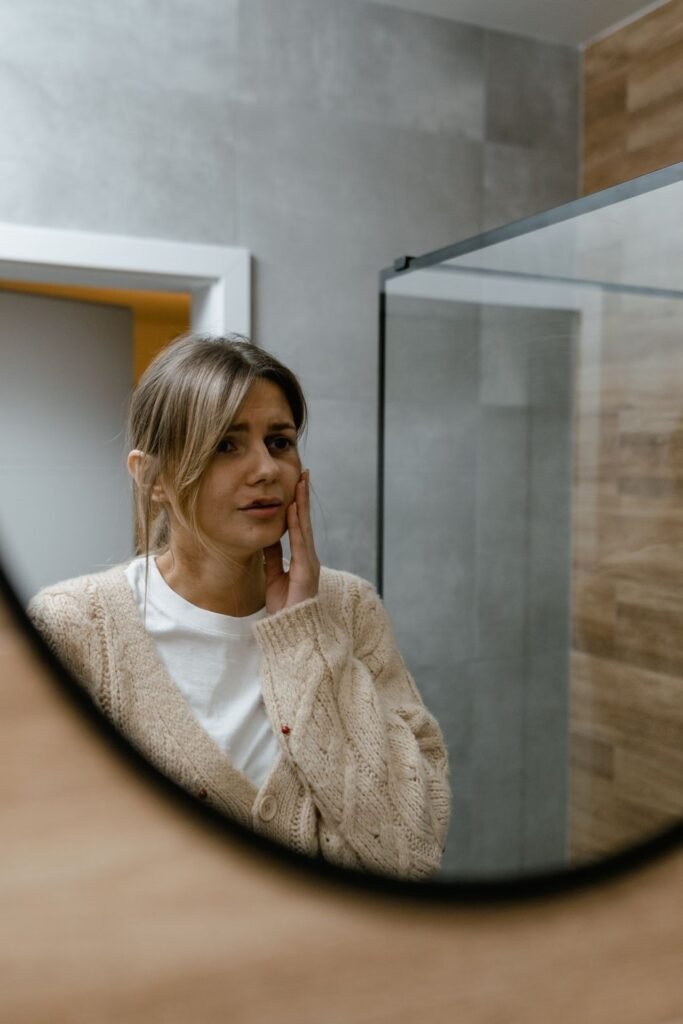
Your brain does this automatically. Psychologists have studied social comparison since the 1950s, and they keep reaching the same conclusion: humans measure themselves against other humans, whether they want to or not.
It made sense once. Our ancestors lived in small groups, and knowing where you stood helped you survive. If Greg caught more fish than you, you learned something useful.
Now you compare yourself to 2,000 people at once, and most of them have professional lighting. Your brain still runs the old software, and it can’t tell the difference between Greg the fisherman and a stranger’s beach photo in Tulum. That’s the real problem.
Why Social Media Makes Comparison So Much Worse
Social media didn’t invent comparison. It just turned it into an all-day buffet.
You’re Comparing Your Behind-the-Scenes to Their Highlight Reel
A few years ago, a friend of mine posted gorgeous photos from her anniversary trip. Sunsets, cocktails, matching linen outfits. I felt like a gremlin who had never taken a vacation.
Three months later, she told me she and her husband argued through half that trip, and she cried in a hotel bathroom. The linen outfits were real. The romance wasn’t, at least not that week. I wasted a whole evening feeling behind in life over a lie of omission.
Here’s what you see versus what you don’t:
You see: the promotion announcement. You don’t see: the burnout, the panic attacks, or the boss who made it happen.
You see: the perfect wedding. You don’t see: the $30,000 of debt or the family drama.
You see: the fit body. You don’t see: the disordered eating, the filters, or the 47 failed photos.
Nobody posts their overdraft notice. Nobody captions a photo, “Cried in the car again, but here’s my latte.”
The Algorithm Loves Your Insecurity
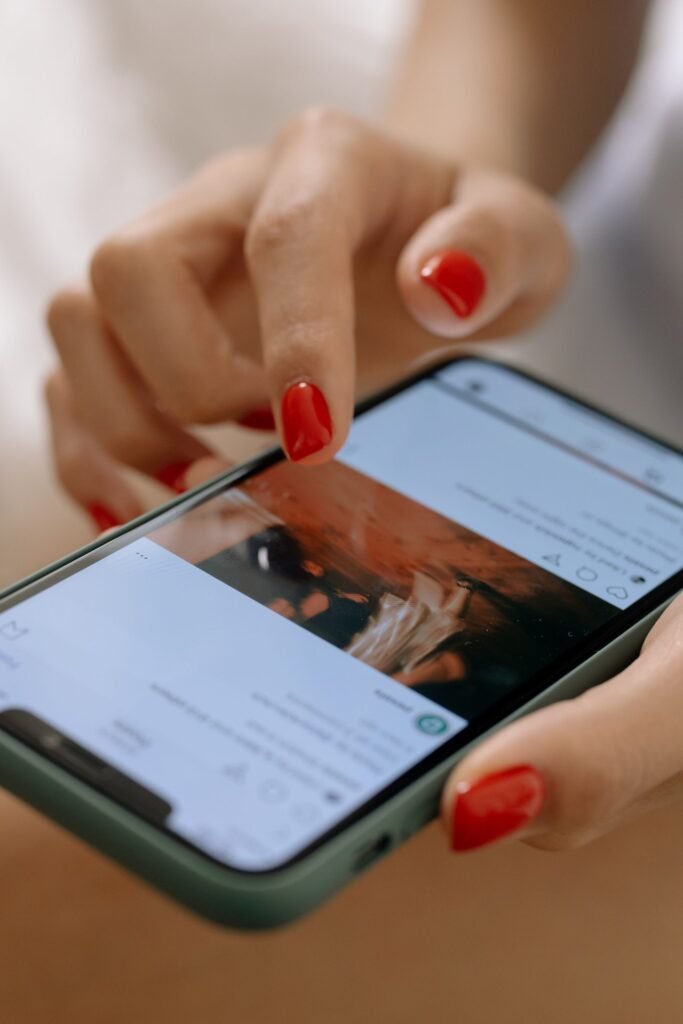
Platforms want your attention, and nothing holds attention like a pang of envy. If you linger on a stranger’s kitchen renovation, your feed serves you five more. The app isn’t trying to hurt you, but it doesn’t mind if it does.
Think about that for a second. A machine studies your worst feelings so it can sell you more of them. That’s a bad deal, IMO.
How to Stop Comparing Yourself to Others: 7 Steps That Actually Work

I won’t tell you to “just love yourself” and call it a day. That advice has never helped anyone at 11 p.m. while they scroll through their college roommate’s vacation home. Try these instead.
1. Catch the Trigger
You can’t fix a habit you don’t notice. For one week, jot down every time you feel that tight, sinking feeling after looking at your phone. Write down who or what set it off.
You’ll probably see a pattern fast. Maybe it’s one particular coworker, or maybe it’s every post about pregnancy announcements. Once you know your triggers, you can actually do something about them.
2. Clean Up Your Feed Without Guilt
Muting someone doesn’t make you a bad person. It makes you someone who values her sanity. Mute, unfollow, or snooze any account that consistently leaves you feeling worse.
Yes, even your cousin. Especially your cousin, if she posts “blessed” under every photo of her third kitchen island. Then follow accounts that make you laugh, teach you something, or show real life.
3. Set a Time Limit and Mean It
Most of us don’t compare ourselves for a few minutes a day. We compare ourselves for hours, in small, mindless doses. Use your phone’s built-in screen time tools to cap social apps at 30 minutes.
Will you ignore the limit the first few times? Probably. Keep at it anyway, because less scrolling means fewer chances to compare, and the math really is that simple.
4. Swap Envy for Curiosity
When someone’s success stings, ask yourself a better question. Instead of “Why don’t I have that?” try “What exactly about that do I want?”
Sometimes the answer surprises you. I once envied a friend’s gorgeous home office, then realized I didn’t want her house or her job. I wanted a quiet space and a door that closed. I bought a $40 desk lamp and a room divider, and the envy vanished.
Envy often points to a need you haven’t named yet. Use it as information instead of a verdict.
5. Compare Yourself to Your Past Self
This one sounds cheesy, but it works. The only fair comparison is you versus you from a year ago. Nobody else shares your starting point, your health, your family, or your bank balance.
Try this quick exercise:
Write down three things you handle now that overwhelmed you a year ago.
Write down one skill you’ve built since then.
Write down one thing you’ve stopped tolerating.
That list shows real progress, and no algorithm can take it from you.
6. Practice Gratitude, but the Non-Annoying Kind
Skip the gratitude journal with the cursive font if it makes you roll your eyes. Do something simpler. Each night, name one specific thing that went right today.
Specific beats vague every time. “My family” feels like a greeting card. “My sister texted me a dumb meme during a rough meeting” feels true, and your brain remembers it.
7. Talk to a Real Human
Comparison thrives in secrecy. When you tell a friend, “I felt awful scrolling today,” she’ll usually say, “Same.” Suddenly the shame shrinks.
Real conversations also show you what filters hide. People struggle with money, marriages, jobs, and their own reflections. Hearing that firsthand cures a lot of envy.
Money Comparison Deserves Its Own Warning

Since this blog cares about your savings as much as your soul, let’s talk about money. Financial comparison does real damage, because it costs you actual dollars.
You see a friend’s new car, so you start browsing dealerships. Another friend takes a luxury trip, so you book one you can’t afford. Nobody told you that her trip came from a credit card, a bonus, or her parents.
FYI, appearing wealthy and being wealthy rarely match. Plenty of people with modest-looking lives have strong savings, and plenty with glamorous feeds drown in debt. Run your finances on your own goals, not on someone’s Instagram story.
Is All Comparison Bad?

No, and I won’t pretend otherwise. Comparison can motivate you when you use it well. If you watch a colleague give a fantastic presentation and decide to improve your own, that’s healthy.
The difference comes down to what happens next. Healthy comparison makes you think, “I could learn that.” Unhealthy comparison makes you think, “I’ll never be enough.”
Ask yourself these questions when you feel that pang:
Does this inspire me to act, or does it just make me feel small?
Do I actually want this, or do I just want what it signals?
Do I know the full story? (Spoiler: you almost never do.)
If the comparison pushes you toward a goal, keep it. If it only leaves you feeling worse, drop it.
What to Do in the Moment When It Hits Anyway

You’ll still slip, because everyone does. Last month, I saw a former classmate announce her book deal and felt my stomach drop. I’m a grown adult with a perfectly good life, and I still spiraled for ten minutes.
Here’s my emergency routine:
Put the phone down. Physically set it on another surface, preferably in another room.
Name the feeling. Say it out loud: “I feel jealous.” Naming it weakens its grip.
Do something with your body. Walk around the block, stretch, or wash dishes. Movement breaks the loop.
Congratulate them, privately or publicly. It feels weird for about five seconds, then it feels freeing.
That last step surprises people. When you cheer for someone else, you stop treating their win as your loss. Their success doesn’t shrink your future, because life doesn’t hand out a limited supply of good things.
The Bigger Picture: Build a Life You Don’t Need to Compare

The deepest fix doesn’t involve your phone at all. It involves knowing what you value. When you know what matters to you, other people’s choices lose their power over you.
Someone else’s dream job may sound awful to you. Someone else’s big wedding may look exhausting. If you don’t know what you want, everyone else’s life looks like a menu, and you’ll order what looks good on their plate.
So spend time on your own priorities. Ask what a good week looks like for you, then build more of those weeks. Notice what makes you feel proud when nobody’s watching, because that feeling doesn’t need likes.
Final Thoughts on Comparing Yourself Less

Learning how to stop comparing yourself to others isn’t a one-time fix. It works more like a muscle you train, and some days it feels stronger than others. Expect setbacks, and don’t treat them as failures.
Start small this week. Mute three accounts, set one time limit, and text one friend the truth about how you’re doing. Then notice how you feel after a few days.
You don’t need a perfect feed to have a good life, and honestly, the best parts of yours probably never make it online anyway 🙂