Real vs. Fake Christmas Tree for a Small Apartment: Which One Actually Saves Money?

Your apartment has 600 square feet, one closet, and a landlord who frowns at nail holes. Now you want a six-foot tree in the living room. Smart plan, right?
Before you hand over $80 to a guy in a parking lot, let's run the numbers. The real vs fake Christmas tree small apartment debate comes down to cash, closet space, and how much you hate vacuuming.
The Short Answer
A fake tree saves money after about two to three seasons. A real tree costs less on day one, but you pay for it again every single year. The fake one just sits in your closet, waiting.
That said, "cheapest" and "best for you" don't always match. Your storage space, your stairs, and your moving plans matter as much as the price tag. Let's break it down.
Upfront Cost: Real Trees Win Round One

What a real tree costs
A 5-foot real tree usually runs $50 to $90, depending on your city and the type of fir. Big cities charge more, and prices creep up every year. You'll also need a stand, which adds $25 to $40 the first time.
Delivery is where city folks get stung. Some lots charge $20 to $40 to bring the tree to your door, which beats dragging it onto a bus.
What a fake tree costs
A decent 6-foot artificial tree runs $80 to $200. Pre-lit models cost more, and the fancy "looks real, I promise" versions can climb past $300. Skip the $40 specials, because they shed, sag, and look like a toilet brush in a Santa hat.
So on day one, real wins. You spend maybe $110 total with the stand, while a good fake tree costs $120 to $200. That gap closes fast, though.
Yearly Costs: Where the Math Flips

Here's the part most people skip. A real tree costs money every December, and a fake tree costs you nothing after the first purchase.
A ballpark comparison:
- Real tree, year one: about $110 (tree, stand, tree bag)
- Real tree, each year after: about $70 to $100 (tree, bag, maybe delivery)
- Fake tree, year one: about $120 to $200
- Fake tree, each year after: $0, plus the occasional $10 for replacement bulbs
By year three, you've spent roughly $250 to $300 on real trees. A mid-range fake tree sits at around $150 and keeps going. By year eight, the real-tree habit totals $600 or more.
Do you really want to pay $600 to watch something die in your living room?
Lifespan: How Long Does a Fake Tree Last?
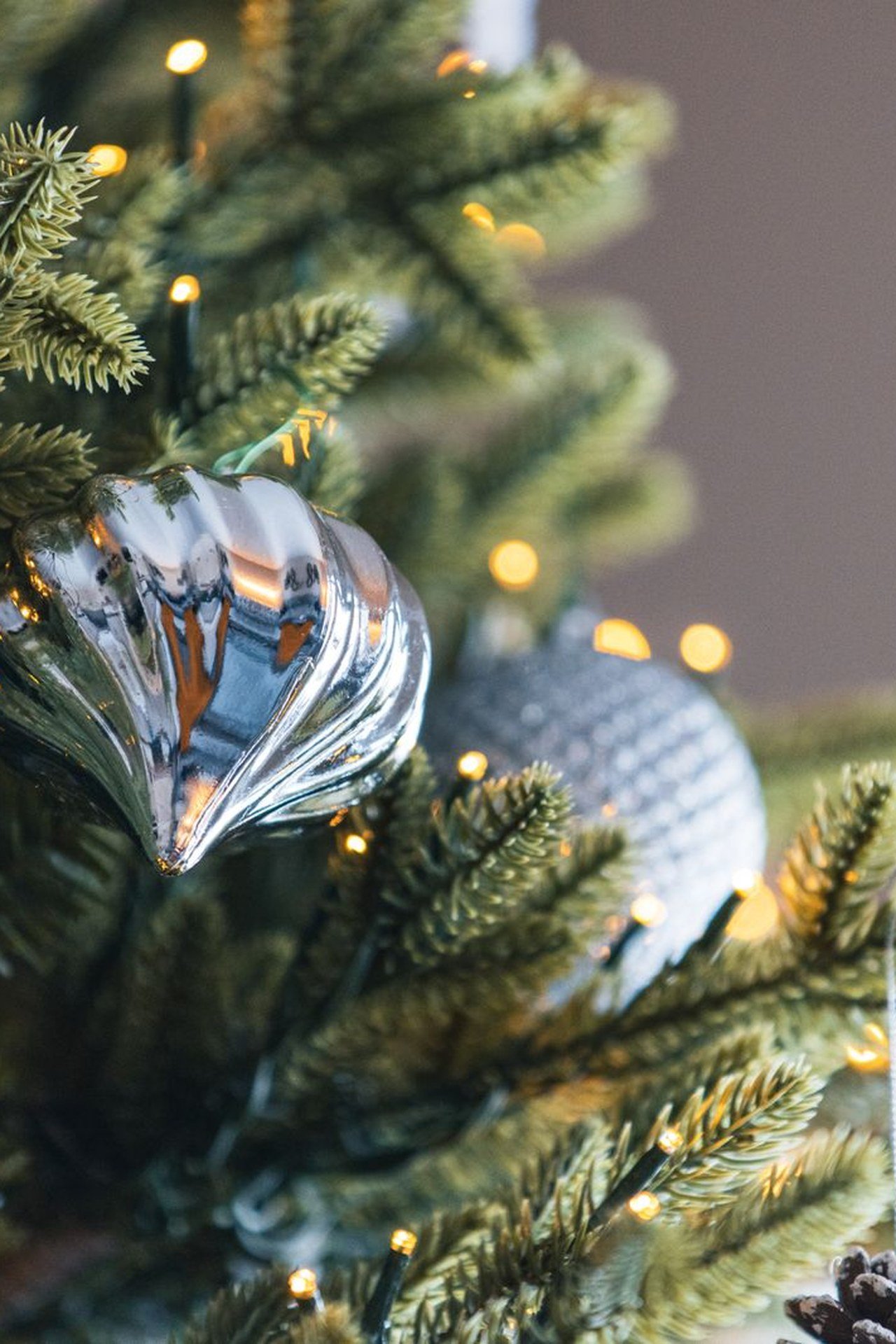
A good artificial tree lasts 6 to 10 years. Some people squeeze out 15, and I admire their commitment. A real tree lasts about four weeks, and that's if you water it like a houseplant you actually like.
Pre-lit fake trees cause the biggest headaches. One section of lights dies, and suddenly you're testing bulbs at 11 p.m. like an electrician with a grudge. Buy an unlit tree and use your own LED strands. When a strand dies, you replace a $10 string instead of the whole tree.
If you move every year or two, think about this carefully. A fake tree only saves money if you actually keep it long enough to win the math.
Storage in a Small Space

This is the real dealbreaker for apartment dwellers. A real tree needs zero storage, because it leaves in January. A fake tree needs a home for 11 months.
A 6-foot artificial tree in its box runs roughly three feet long and a foot or so wide. You can store it:
- Under the bed (slim, 4.5-foot trees fit best)
- On the top shelf of a closet
- Behind a dresser or couch
- In a storage bag you shove into the corner of your bedroom
FYI, slim and pencil trees save the most space, both in the box and in your living room. A 4.5-foot slim tree stores easily and still looks festive on a side table or in a corner.
Closet space has value in a small apartment, though. If your tree pushes out your vacuum or your winter boots, count that as a cost. I once stored a fake tree on top of my fridge for a year, and it worked until my cat decided otherwise.
Mess and Cleanup

Real tree mess
Real trees shed. They shed in the living room, down the hallway, and into places you swear you never walked. I once hauled a Fraser fir up four flights of stairs in my first apartment, and I found needles in my bed until March. (Yes, March. :/)
Real trees also bring:
- Daily watering (a thirsty tree can drink a quart or more per day)
- Sap that sticks to your hands, floors, and that one rug you love
- Scratches on hardwood from the stand or the trunk
- Fire risk if you let the tree dry out near a heater
Rental floors make that last point expensive. A damaged floor can cost you part of your security deposit.
Fake tree mess
Fake trees collect dust and need about 20 minutes of "fluffing" when you set them up. That's it. You might find a stray plastic needle or two, but nothing like the pine-scented chaos of a real tree.
Disposal: The Part Nobody Plans For
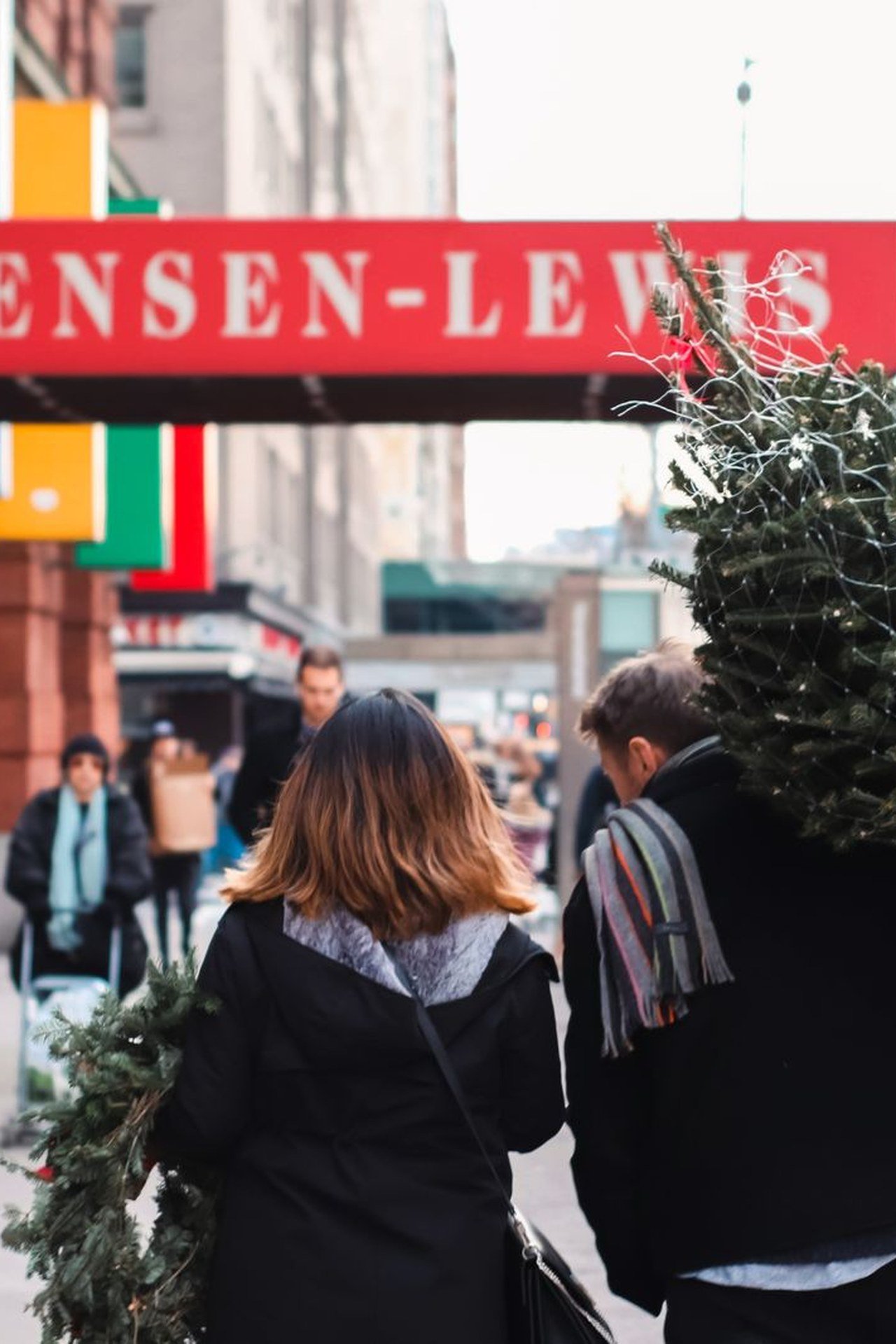
Getting rid of a real tree in an apartment takes effort. Many cities offer curbside pickup in early January, but some require you to cut the tree down to three or four feet. Others make you drag it to a drop-off site. Some garden stores and parks chip trees into mulch for free or a few dollars.
Now picture carrying a dry, needle-dropping tree down three flights of stairs. Fun, right?
A fake tree costs nothing to dispose of, until it finally dies. Then it goes in the trash, because most artificial trees can't be recycled. If the environmental angle matters to you, keep your fake tree as long as humanly possible. Many studies suggest an artificial tree only beats a real one on environmental impact after many years of use.
Hidden Costs Nobody Mentions
Both options have sneaky expenses. Here's what to watch:
- Real tree extras: tree bags ($8 to $15), a tree skirt that catches needles, vacuum bags, and possible floor repair
- Fake tree extras: a storage bag or bin ($15 to $30), replacement bulbs, and possibly a new tree skirt to hide that ugly plastic stand
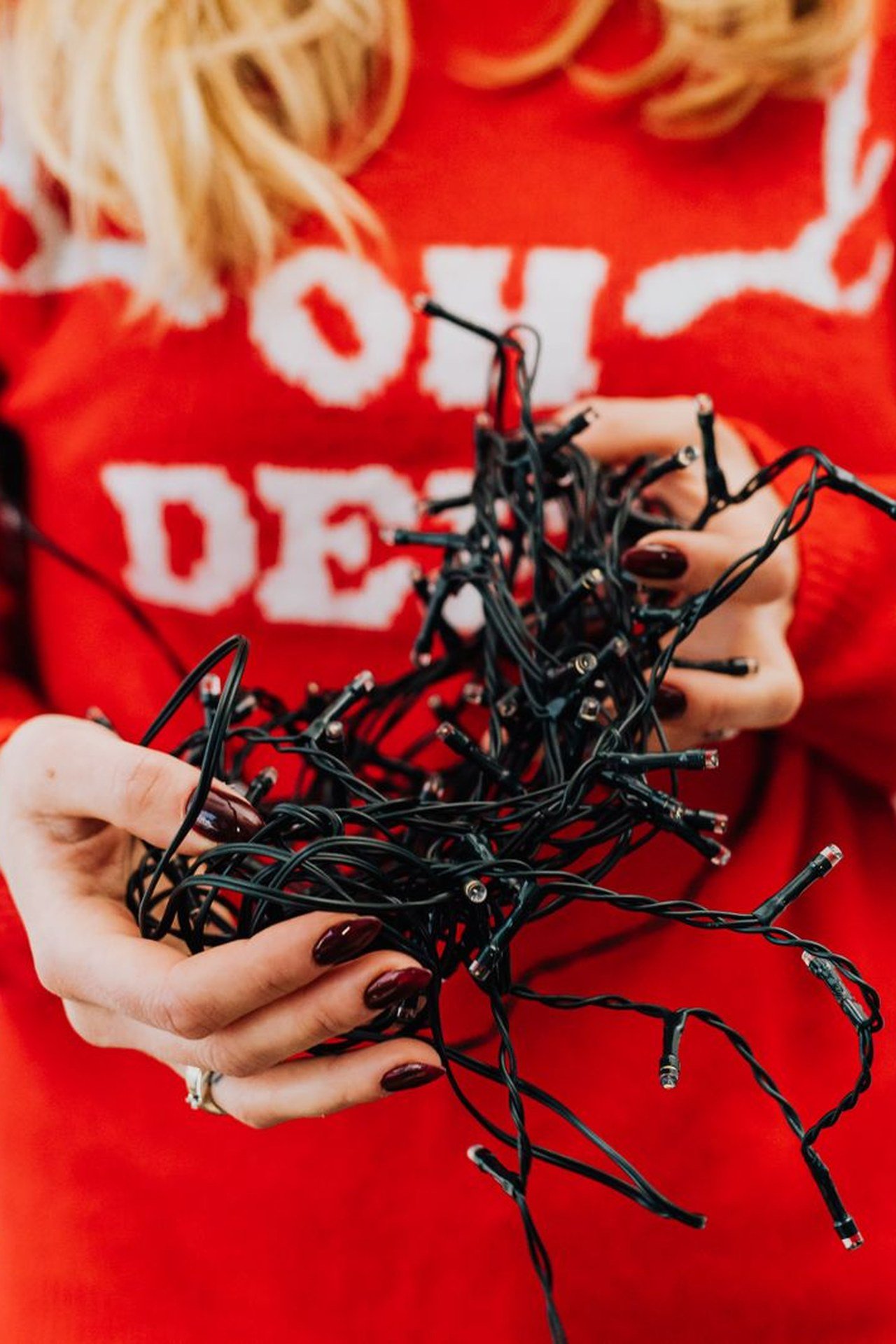
- Both: lights, ornaments, and the emotional damage of untangling cords
Real trees also need a fresh pick every year, so you spend time hunting for one. Time costs something too, especially if you work weekends.
The Verdict for Small-Apartment Living
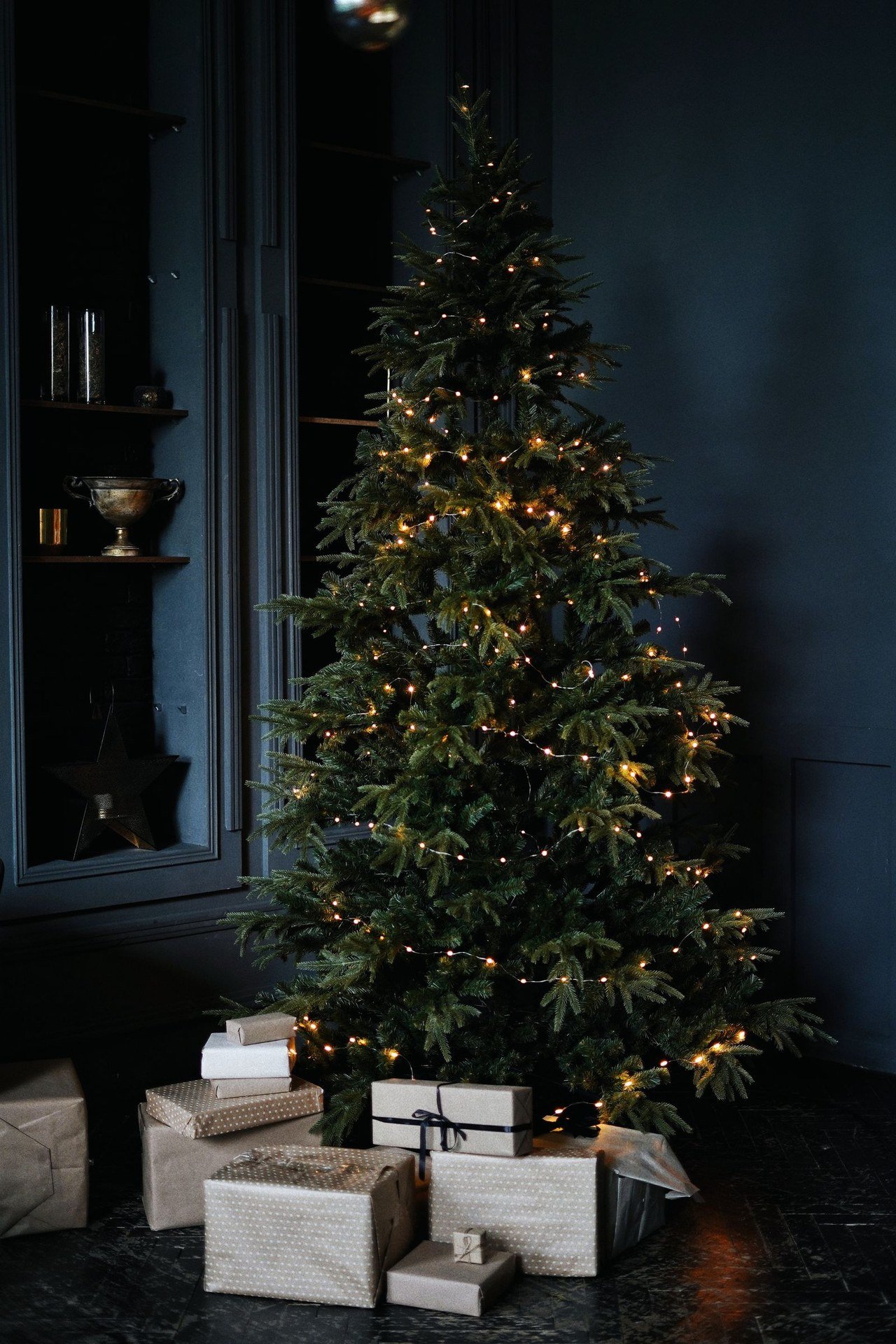
A fake tree saves more money over time, and for most small-apartment dwellers, it's the better pick. You skip the yearly purchase, the delivery fee, the cleanup, and the staircase workout of disposal. If you stay put for at least three years and own a closet shelf, buy a fake one.
IMO, the sweet spot is a slim, unlit 5- or 6-foot artificial tree with your own LED lights. It costs around $100 to $150, fits in a closet, and lasts close to a decade.
Still, a real tree makes sense in a few situations. Pick real if you:
- Move often and hate packing bulky stuff
- Have absolutely no storage space
- Refuse to give up the pine smell and the ritual of picking one out
Can't decide? Try a tabletop real tree for $25 to $40. It smells great, fits on a table, and weighs almost nothing when you haul it out. You'll get the real-tree experience without the staircase marathon.
So, which one saves money? Fake, by a mile, if you keep it. Real, if you want the tradition and have nowhere to put a box. Do the math, check your closet, and pick the tree that fits both your wallet and your floor plan.