
Can You Actually Enjoy the Holidays With Your In-Laws?

Your mother-in-law just asked whether you're "still doing that job." It's 9 a.m. on Christmas Eve, and you haven't touched your coffee. Welcome to the most wonderful time of the year.
The Short Answer: Yes, But Not By Accident
You can enjoy the holidays with your in-laws. I've done it, and I've also bombed it spectacularly. The difference came down to planning, not luck.
Most people treat in-law visits like a storm. They brace, they endure, and they count the hours until the car ride home. That approach guarantees misery.
I'd rather treat it like a road trip with a few tricky stretches. You can't control the traffic, but you can pack snacks, pick your playlist, and know where the bathrooms are. This guide covers how to survive the holidays with your in-laws and, with a little effort, how to enjoy them.

Why In-Law Holidays Feel So Hard
Before we fix anything, let's name the problem. Why does a perfectly nice group of people turn your stomach into a knot?
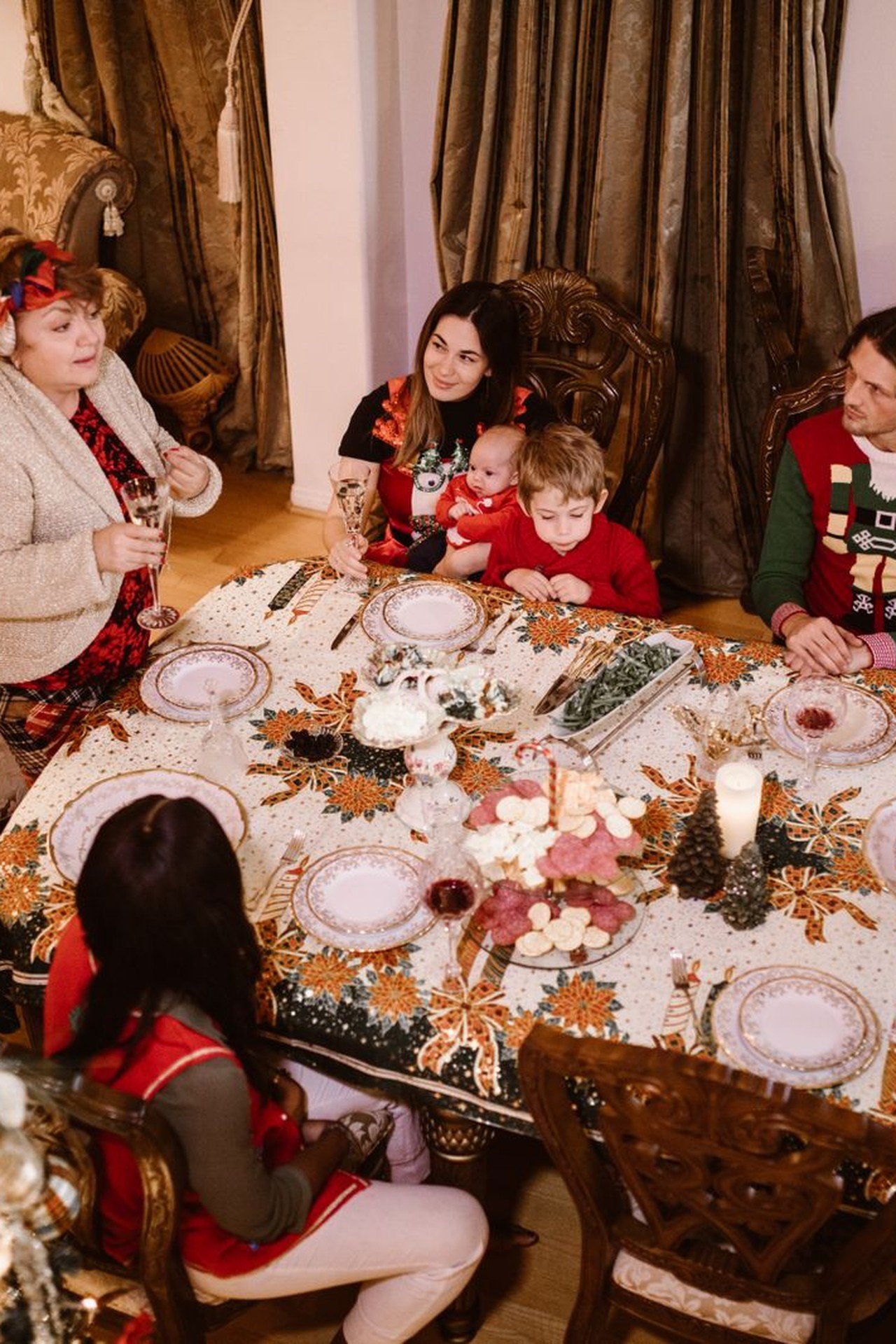
Two Families, Two Rulebooks
Every family runs on unwritten rules. Yours opens presents Christmas morning in pajamas. Theirs opens them Christmas Eve in nice clothes, one gift at a time, in order of age.
Nobody tells you the rules, but everyone notices when you break them. I learned this my first Thanksgiving with my wife's family. I showed up with a store-bought pie, and her grandmother studied it like a customs officer examining a suspicious suitcase.
Close Quarters, Zero Escape
Normal life gives you breathing room. Holidays take it away. You share one bathroom, one kitchen, and one thin bedroom wall with people who still call you "the new one" after eight years.
Close quarters magnify everything. A small comment at dinner feels huge when you can't walk away from it.
Expectations Nobody Says Out Loud
Your in-laws probably expect certain things. They want you at every meal, you at church, and you to love Aunt Carol's casserole. Meanwhile, you expect a little downtime and maybe a nap.
Those two lists collide around hour six. That collision causes most holiday blowups, not actual meanness.
How to Survive the Holidays With Your In-Laws: A Real Game Plan
Here's the system that works for me. It isn't magic, but it beats winging it.

1. Talk to Your Partner First
Your spouse holds the most important role in this whole thing. Sit down together before the trip and ask direct questions. What does your family expect? What worries you? What can I do to help?
Agree on a team signal. Ours is simple: if one of us says "I need to grab something from the car," the other one rescues them. It sounds silly, but it works every single time.
2. Set Limits Before You Arrive
Decide your boundaries in advance, not mid-argument. You'll think clearer in your own living room than you will at the dinner table with a relative grilling you about when you're having kids.
Consider these limits:
- How long you'll stay. Three nights beats seven, and nobody needs a full week.
- Where you'll sleep. Your own space makes a huge difference.
- Which events you'll attend. You don't need to join every single activity.
- How much alcohol you'll drink. Holiday tension plus wine rarely ends well.
3. Build In Escape Hatches
Smart travelers carry an exit strategy. Volunteer to run to the store. Take the dog for a long walk. Offer to pick up Grandpa from the airport.
Short breaks recharge you. Twenty minutes alone in a parked car with a podcast can save an entire afternoon. IMO, the "errand run" is the most underrated holiday tool ever invented.
4. Give Yourself a Job
Idle hands cause trouble at family gatherings. When you sit on the couch with nothing to do, you invite awkward conversation. When you stand at the sink washing dishes, you invite gratitude instead.
Pick a task you actually like. Maybe you carve the turkey, run the music, or manage the kids' craft table. A role gives you purpose, and it gives your in-laws a reason to appreciate you.
Staying With Them vs. Getting a Hotel
This question starts more fights than the Monopoly board. Both options have real trade-offs, so let's compare them honestly.
Staying at their house:
- You save money.
- You spend more time with family, for better or worse.
- You lose privacy and control of your schedule.
- You eat on their timeline.
Staying at a hotel or rental:
- You pay more, sometimes a lot more.
- You get a quiet space to decompress.
- You control your mornings, which matters more than you'd think.
- You risk hurt feelings if your in-laws take it personally.
My take? If you can afford it, book the hotel. Frame it kindly, something like, "We want to give you space and keep the house from feeling crowded." Most in-laws accept that, and a few secretly feel relieved.
If money rules out a hotel, protect your sleep and your morning routine at all costs. A rested person handles criticism far better than an exhausted one.

The Conversation Landmines (And How to Defuse Them)
Every family has a few topics that explode on contact. You probably know yours already. Politics, money, parenting choices, and your career top most lists.
You don't need to win these debates. You need to steer around them without starting a war. Here are a few lines that work:
- "That's an interesting point. Who wants more pie?" Redirect with food. It works about 90 percent of the time.
- "We're still figuring that out." This answers nosy questions about kids, houses, or jobs without giving details.
- "I'd love to hear how you handled that." Older relatives love telling stories, and a story eats up a lot of clock.
- "Let's save that one for later." Say it with a smile, then never bring it up again.
Do these tactics feel a little sneaky? Maybe. But I'd rather dodge a political screaming match than prove a point and ruin Christmas dinner.

What To Do When Things Go Sideways
Even with a perfect plan, something will go wrong. Someone will say something rude, or your spouse will take their parents' side in a way that stings.
Stay calm first, and respond later. Excuse yourself, breathe, and decide whether the comment deserves a response. Most of the time, it doesn't. Your mother-in-law's remark about your cooking probably says more about her stress than your lasagna.
When something does cross a real line, talk to your partner privately. Don't confront the offender at the table. Let your spouse handle their own parents, because they know which words land and which ones backfire.
FYI, this rule works in reverse too. When your family causes drama, you handle your own people, and your partner backs you up.

Look for the Good Stuff
Here's the part people skip. Your in-laws aren't villains. They raised the person you love, and that counts for something.
Try asking them real questions. What did your spouse do at age ten? What did the holidays look like when you were a kid? You'll hear stories you can't get anywhere else, and you'll watch your in-laws soften when they talk about their memories.
I once spent an entire evening listening to my father-in-law explain how he built a backyard ice rink every winter. I expected boredom. Instead, I laughed until my face hurt, and I understood my husband a little better. 🙂
Small moments like that make the effort worth it. You don't have to love every minute. You just have to stay open to the few that surprise you.

A Quick Survival Checklist
Before you pack the car, run through this list:
- Talk with your partner about expectations and signals.
- Set your limits on time, space, and activities.
- Plan your escape hatches for quiet moments.
- Pick a job that keeps you useful and connected.
- Choose your lodging based on your sanity, not just your budget.
- Prepare a few deflection lines for tough topics.
- Ask one real question and listen to the answer.

The Bottom Line
Can you actually enjoy the holidays with your in-laws? Yes, if you stop treating the visit as something to survive and start treating it as something to manage. You can't change your relatives, but you can change your preparation, your boundaries, and your attitude.
Some years will still go badly. Someone will cry, someone will criticize your stuffing, and someone will bring up that one thing from 2016. That's family, and it's also, strangely, part of the charm.
So take a deep breath, grab your keys, and volunteer for the next store run. You've got this.