
How to Recover From Holiday Spending: A January Money Reset That Actually Works

You swiped, tapped, and one-clicked your way through December. Now the January statements have landed, and your bank account looks like it survived a tornado. You need a plan for how to recover from holiday spending without starving, hiding from your mailbox, or swearing off gifts forever. This guide gives you that plan. It walks you through eight practical steps, and each one moves you closer to zero. No guilt trips. No extreme deprivation. Just a clear reset that works in real life.

Step 1: Face the Damage (Yes, Really)
Ignoring a balance won't shrink it. I tried that one year. I stacked the unopened statements on my coffee table and pretended they were coasters. They weren't coasters. They were a $2,300 problem getting more expensive every month. You can't fix a number you refuse to look at. So rip off the bandage.

Gather Every Number
Log into every account and write down the facts. Here's your checklist:
- Each credit card balance, with its APR and minimum payment
- Buy-now-pay-later plans, because those sneaky little installments add up fast
- Your checking and savings balances
- Any money you owe friends or family
Add it all up. That total is your holiday damage number, and it's the only number that matters for the next few months.
Don't Judge Yourself
Shame never paid off a single credit card. It just makes you avoid the problem longer. Your December spending happened for a reason. You wanted to make people happy, and that's not a character flaw. Treat the number like a weather report. It tells you what to wear, not who you are.
Step 2: Build a Bare-Bones January Budget
You don't need a color-coded spreadsheet with seventeen tabs. You need a simple list of what you must pay to keep your life running. Your must-pay list looks like this:
- Rent or mortgage
- Utilities
- Groceries (not DoorDash)
- Transportation
- Insurance
- Minimum debt payments
Does that feel harsh? It lasts 30 days, not forever. A strict January gives you the breathing room to recover in February. Next, subtract that total from your monthly take-home pay. Whatever remains is your attack money. Every spare dollar goes toward the damage number from Step 1.

Step 3: Pick a Payoff Strategy and Commit
Most people stall here. They research for three weeks, then pay nothing. Choose one method and start today. You can always switch later, but you can't switch from zero.

The Three Main Options
- Debt avalanche: You pay minimums on everything and throw extra cash at the card with the highest APR. This method saves the most money on interest. It also takes the most patience, because your first win might take months.
- Debt snowball: You attack the smallest balance first, then roll that payment into the next smallest. The math isn't optimal, but the quick wins keep you motivated. Motivation matters more than math when you're tired and broke.
- Balance transfer card: You move your balances to a card with a 0% intro APR. Most of these cards charge a transfer fee, often 3% to 5%. This option works only if you pay off the balance before the promo ends. Otherwise, you just trade one problem for a fancier one.
My Honest Take
IMO, snowball wins for typical holiday debt. If you owe $1,800 spread across three cards, the interest difference between methods is small. The psychological boost of killing a card in three weeks is huge. Pick the method you'll actually stick with, not the one a spreadsheet says is perfect.
Step 4: Cut Spending Without Making Yourself Miserable
Extreme budgets fail because they feel like punishment. Smart cuts target stuff you barely notice. Start with the easy wins and work your way down.

Audit Your Subscriptions
Open your bank statement and scan for recurring charges. You'll probably find at least one service you forgot you had. My friend found $47 a month in streaming apps, a meditation app, and a gym membership she hadn't used since March. Her stress level dropped when she canceled them. Cancel anything you haven't used in 30 days. You can always resubscribe later.
Cook at Home for 30 Days
Food delivery eats budgets alive. A single takeout dinner for two often costs as much as three home-cooked meals. You don't need to become a chef. You need five easy meals you can repeat without thinking. Cooking at home isn't glamorous. It works, though, and your wallet will thank you by February.
Call Your Providers
Phone, internet, and insurance companies often hand out discounts to customers who ask. Call and say you're reviewing your budget. Ask if they have any promotions or loyalty discounts available. The worst answer is no, and the best answer saves you $20 a month.
Step 5: Bring in Some Extra Cash
Cutting only gets you so far. Earning a little more speeds up your recovery dramatically. You don't need a second job. You need a few quick wins. Try these quick options:
- Return unwanted gifts and impulse buys. Many retailers extend holiday return windows into late January, so check the policy before you toss the receipt.
- Sell stuff you don't use. Old electronics, extra decor, and that bread maker you used once all sell online.
- Pick up extra shifts or freelance work. Even five extra hours a week adds up.
- Sell the gift cards you won't use. Reselling usually returns less than face value, but cash beats a card for a store you never visit.
FYI, put every extra dollar straight toward debt. If it sits in checking, it will vanish into groceries and gas. Send it to the card the same day you earn it.

Step 6: Automate the Boring Parts
Willpower runs out by the second week of January. Automation doesn't. Set up your system so you can't sabotage yourself. Here's the setup:
- Schedule autopay for every minimum payment so you never miss a due date.
- Schedule an extra payment for the day after payday, aimed at your target card.
- Move leftover cash to the debt before you can spend it.
Missed payments trigger late fees and credit score damage. That turns a manageable hangover into a financial emergency.

Step 7: Protect Your Emergency Fund
Some people drain their savings to wipe out holiday debt. I get the logic, but I disagree. If your car breaks down in February, you'll put the repair on a credit card and restart the whole cycle. Keep a small starter emergency fund, even $500 to $1,000, while you pay down debt. Then funnel everything else to the cards. You get protection and progress at the same time.
Step 8: Plan Next December Today
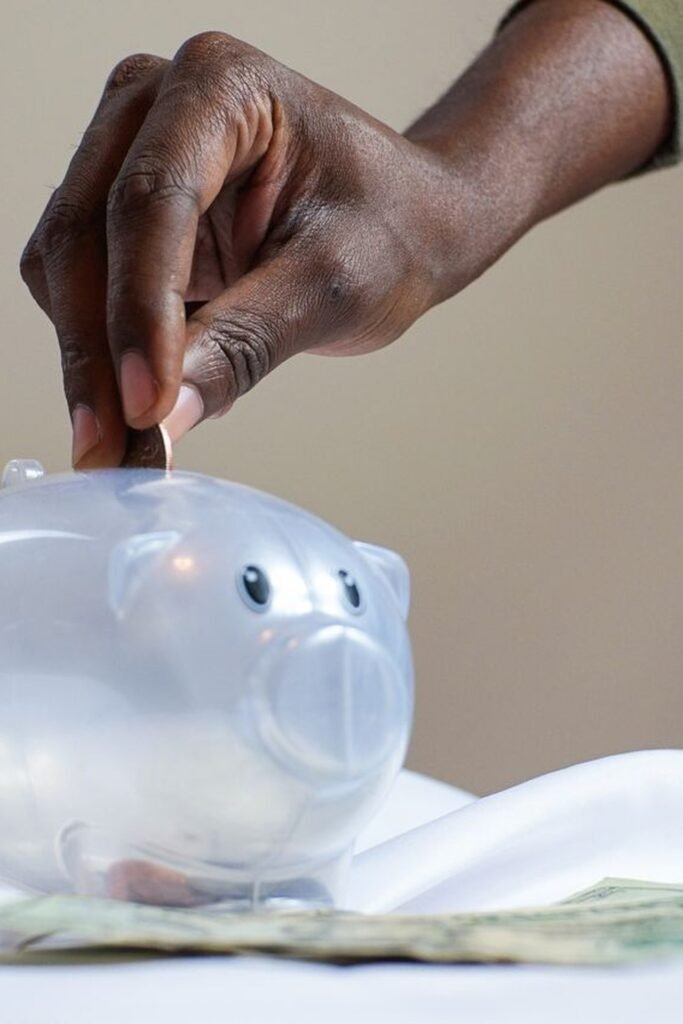
This part feels weird in January, but it works better than anything else. Holiday overspending happens because people plan for gifts at the last minute and fund them with credit. A sinking fund fixes that. Here's the math. Say you want to spend $600 next holiday season. Divide $600 by 12, and you get $50 a month. Open a separate savings account, label it "Holidays," and automate a $50 transfer. Dana started this last January with $40 a month. By December, she had $480 and paid for everything in cash. Does a sinking fund sound boring? Absolutely. Do you know what's more boring? Paying 24% interest on a gift someone forgot by February.
Common Mistakes to Avoid
Even smart people stumble during a money reset. Watch for these traps:
- Closing old credit cards in a panic. Closing a card can hurt your credit score by shrinking your available credit. Cut it up if you must, but leave the account open.
- Making only minimum payments. Minimums mostly cover interest. You'll stay in debt for ages.
- Going too extreme. A budget that bans every treat will collapse by week three. Leave a tiny "fun" line, even $20.
- Skipping the plan because the number looks scary. Big numbers shrink one payment at a time.
- Comparing yourself to friends. Your cousin's perfect Instagram December might hide a mountain of debt too.
How Long Does Recovery Take?
It depends on your balance and your income. A $1,500 balance with $400 a month in attack money disappears in about four months. A $5,000 balance with $200 a month takes closer to two years. Don't let a long timeline discourage you. You'll feel progress after the first payment. Track your balance weekly and watch the number fall.
Your January Reset Checklist
Here's the whole plan in one place:
- List every balance, APR, and minimum payment
- Build a bare-bones budget with essentials only
- Choose snowball, avalanche, or balance transfer
- Cancel subscriptions and trim food and bill costs
- Earn extra cash through returns, sales, or side work
- Automate minimums and extra payments
- Keep a small emergency fund
- Start a holiday sinking fund for next year
The Bottom Line
Learning how to recover from holiday spending doesn't require a financial miracle. It requires honesty about your numbers, a simple plan, and a few boring weeks of follow-through. You already survived December. January is just cleanup. Start today, and by spring, you'll wonder why you ever stressed about it 🙂