Warm White vs. Cool White Christmas Lights: Which One Actually Looks Better?
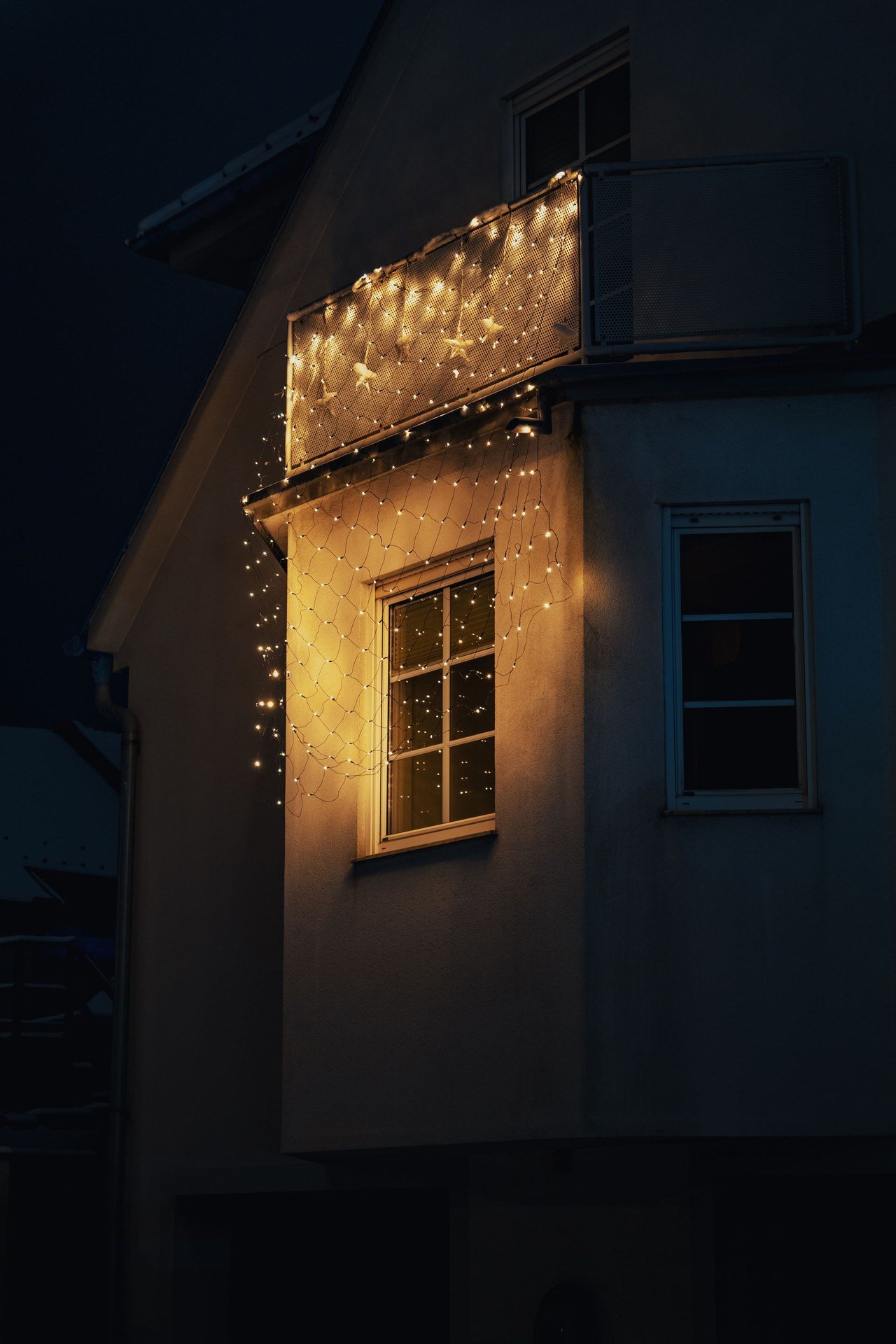
You plug in your new white lights and your front porch suddenly looks like a dentist’s office. Or maybe it glows like a cozy cabin. Same “white,” totally different mood.
The difference comes down to one tiny label on the box. Let’s settle the warm white vs cool white Christmas lights debate once and for all.
What “Warm” and “Cool” Actually Mean
Lighting people measure color temperature in Kelvin (K). Lower numbers look golden and soft. Higher numbers look crisp and bluish.
Here’s the quick breakdown:
- Warm white: roughly 2,700K–3,000K. It looks yellow-gold, like candlelight or an old-school incandescent bulb.
- Cool white: roughly 5,000K–7,000K. It looks icy and bright, with a blue tint.
- Soft white: sits between warm and neutral. Some brands use this term interchangeably with warm white, which gets confusing fast.
FYI, brands don’t follow a universal standard. One company’s “warm white” can look closer to another company’s “soft white.” Always check the Kelvin number if the package lists it.
Kelvin numbers confuse shoppers because they run backward from what you’d expect. A higher number sounds hotter, so people assume it looks warmer, but the opposite happens. If the box lists no Kelvin rating at all, treat the label as a rough guess. Look for words like “candle glow” or “icy white,” and check the photos on the package, though printing often shifts colors too.

The Case for Warm White
Warm white feels like Christmas. It matches the glow our brains connect with fireplaces, candles, and every holiday movie ever filmed.
That nostalgia matters more than you’d think. When I strung warm white lights along my gutters for the first time, my mom walked up the driveway and said, “Now that looks like home.” She never says that about anything I do, so I took the win.
Where Warm White Shines
Warm white flatters a lot of surfaces. It looks gorgeous on:
- Brick, wood, and stone exteriors
- Evergreen trees and wreaths, where the gold tones make the green look richer
- Indoor mantels and staircases
- Tan, cream, red, or brown houses
It also hides imperfections. Crooked wire, uneven spacing, and a slightly sad tree all look better under a forgiving golden glow.
The Downside
Warm white can look dull next to white snow. It also lacks punch from far away, so a long driveway display might look a bit dim. And if your house has gray or blue siding, the yellow tint can clash and look muddy.
The Case for Cool White
Cool white looks crisp, modern, and bright. It reminds people of fresh snow, ice, and moonlight. If you want a winter wonderland instead of a cabin, cool white delivers.
I’ll be honest about my own cool white experiment. I wrapped my porch rails in it a few years ago because the box promised “brilliant sparkle.” My neighbor walked by, squinted, and said it looked like a parking garage. Rude, but not entirely wrong.
Where Cool White Shines
Cool white works best in specific situations:
- Blue, gray, or white houses, where it matches the cool undertones
- Modern or minimalist homes with clean lines
- Snowy yards, where it blends with the landscape instead of fighting it
- Blue spruce trees and silver or blue ornaments
- Long-distance visibility, because the brighter look carries farther
The Downside
Cool white can feel harsh up close. Under certain conditions, it also looks clinical, especially on a warm-toned house. Ask yourself: do you want guests to feel like they’re walking into a Christmas party or a lab?

Warm White vs Cool White Christmas Lights: Head-to-Head
Here’s how the two stack up in the categories that matter:
| Feature | Warm White | Cool White |
|---|---|---|
| Mood | Cozy, nostalgic | Crisp, modern |
| Color tone | Golden-yellow | Icy blue-white |
| Best on | Brick, wood, beige, red | Gray, blue, white siding |
| Looks like | Candlelight | Snow and ice |
| Up-close comfort | High | Medium to low |
| Distance visibility | Medium | High |
IMO, warm white wins for most homes. Cool white wins for a specific style, and you need to commit to it fully.
How Your House Color Changes Everything
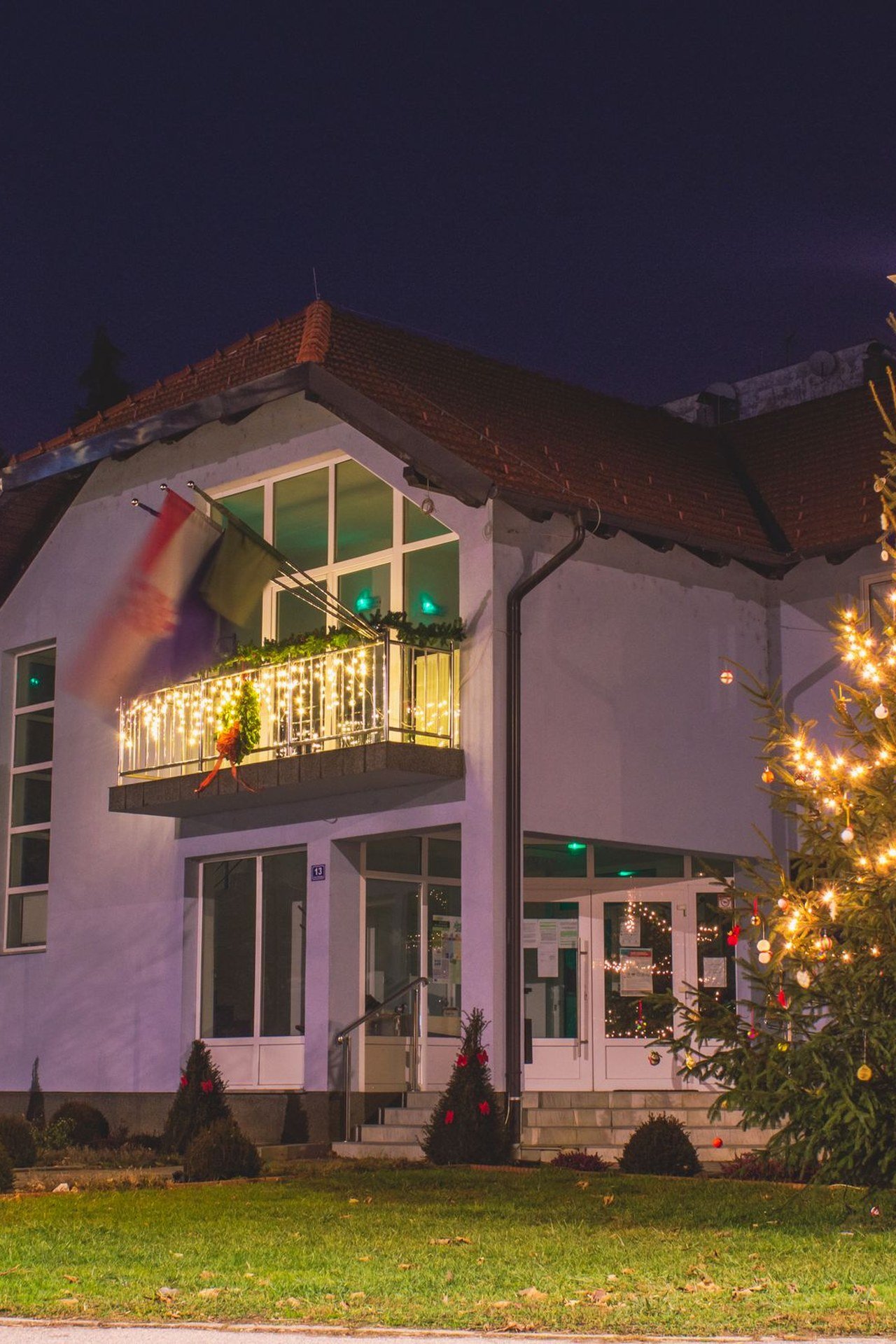
Your house acts like a giant backdrop. The same lights look completely different depending on what sits behind them.
Warm-Toned Houses
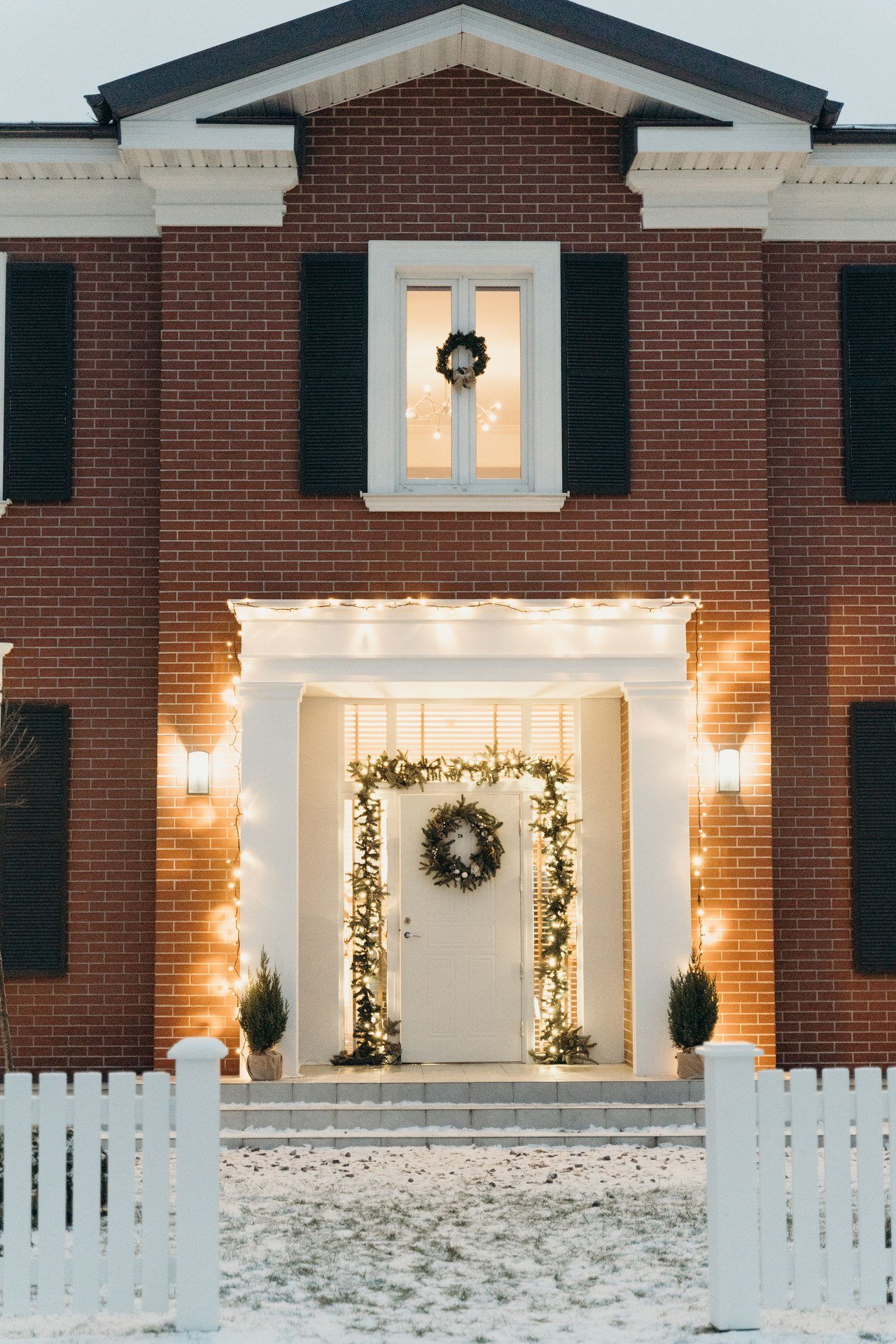
Brick, tan, yellow, and brown homes love warm white. The lights echo the existing color and make everything feel unified. Cool white on these homes usually creates an awkward contrast that makes both the lights and the house look off.
Cool-Toned Houses
Gray, blue, and white homes give you more freedom. Cool white looks sharp and intentional here. Warm white also works on these houses, but it creates contrast, which some people love and others hate.
The Snow Factor
Snow changes the game. Cool white lights blend into snow and make it sparkle, while warm white lights stand out against it like candles in a window. Neither choice is wrong, but you should know which effect you want.
Can You Mix Warm and Cool White?
You can, but you probably shouldn’t. Mixed temperatures usually look like a mistake, not a design choice. Your eye catches the mismatch immediately, especially on a single strand of roofline.
If you insist on mixing, follow these rules:
- Separate them by zone. Use warm on the house and cool on a distant tree, with clear space between.
- Pick a dominant color. Make one temperature about 80% of the display.
- Keep each strand consistent. Never alternate bulbs on the same string.
Here’s a mixing example that works. A neighbor of mine wrapped her porch and roofline in warm white, then lit one blue spruce in the front yard with cool white. The distance between them made the contrast feel deliberate. Also, buy separate strands for each color rather than multi-color sets, because separate strands give you control over where each tone lands.
I tried mixing once, accidentally. I ran out of warm white halfway across the garage and grabbed whatever the store had left. The two-tone roofline haunted me until January. 🙂
The LED Wrinkle Nobody Mentions
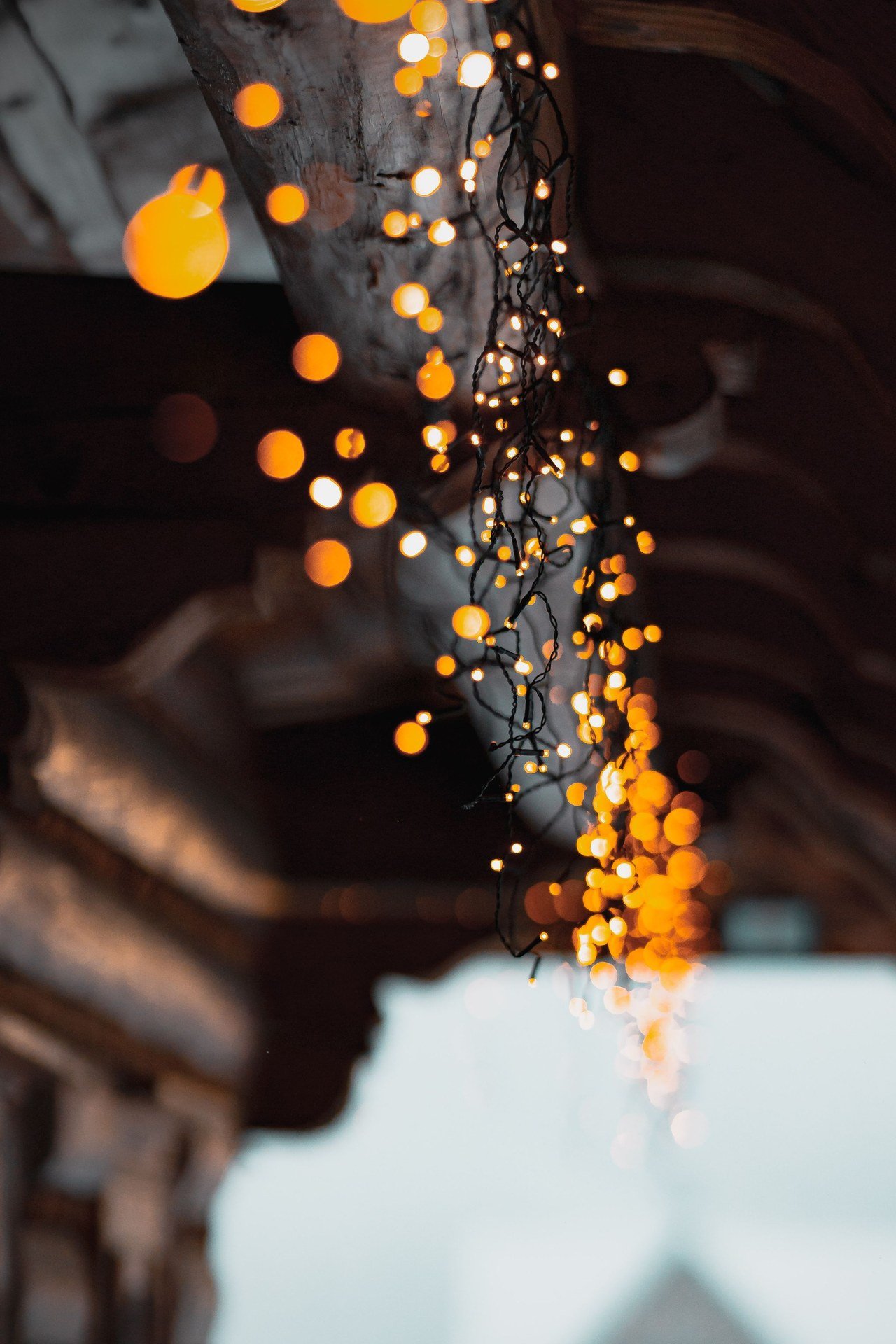
Old incandescent bulbs naturally produced a warm glow. LEDs don’t, so manufacturers have to engineer the color, and the results vary wildly.
Many LED “warm white” strands look too yellow, almost greenish, while others look too pale. Some cheap cool white LEDs lean so blue they look purple at night. That’s why you should never buy a big batch of lights without testing one box first.
Dimmers and timers change the picture too. Many LEDs shift slightly in color when you dim them, and a strand that looks perfect at full brightness can turn pale or amber at low power. Test your lights on the same dimmer or timer you plan to use.
Here’s my test routine:
- Buy one strand of each color you’re considering.
- Plug them in at night, not in the store.
- Hold them against your actual house or tree.
- Check them again from the sidewalk.
It takes ten minutes and saves you from a very expensive mistake.

Quick Buying Tips
Before you load up your cart, keep these points in mind:
- Check the Kelvin rating on the package whenever possible.
- Read reviews with photos. Product images lie, but customer photos usually tell the truth.
- Buy all your lights from the same brand and batch. Color shifts between production runs, even within the same product line.
- Consider dimmable or multi-mode strands if you can’t decide.
- Match your indoor and outdoor lights if people can see both through your windows.
Count your strands before you shop. Measure your roofline in feet, then divide by the string length on the box, and add one extra strand for corners and mistakes. Most people undershoot and end up back at the store in December, when the colors no longer match. When January arrives, wrap each strand around a piece of cardboard and keep the same-color sets together in one labeled bin. That simple habit keeps your colors matched year after year.

Which Should You Choose?
Let’s cut through the noise. Choose warm white if you want a classic, cozy, welcoming look, or if your home has brick, wood, or warm-toned siding. It works for roughly 80% of houses, and nobody ever regrets it.
Choose cool white if you have a modern home, gray or blue siding, or a snowy landscape, and you want that icy, sparkling winter vibe. Commit fully and don’t mix in warm strands. Done right, it looks stunning.
Ask one more question: how long will you live there? Homeowners can commit to a color and build a display over several years, so they can afford a bolder cool white choice. Renters often move, and neutral warm white blends with almost any future house, so it travels better. If you rent and plan to keep your lights for a decade, warm white is the safer bet.
Still undecided? Start with warm white. It forgives mistakes, flatters almost everything, and delivers the Christmas feeling people actually want when they pull into your driveway.
So, which camp are you in? Grab one strand of each, plug them in tonight, and let your own front yard settle the argument.