
The Smart Girl’s Guide to Budgeting Without Feeling Restricted

 Let’s be real — the word budget doesn’t exactly scream “fun.” It sounds like spreadsheets, sacrifices, and saying no to cute shoes on sale. But here’s the thing — budgeting isn’t about cutting joy, it’s about creating freedom.
I used to hate the idea of budgeting. It felt like punishment, like every dollar had to be justified. But after too many “where did my money go?” moments, I decided to try something different — a budget that actually fit my life. One that didn’t make me feel guilty for buying coffee or taking a weekend trip.
And you know what? It worked. I learned how to save, spend smarter, and still live the life I wanted. So let’s talk about how you can do the same — budget without feeling broke or restricted.
1. Redefine What Budgeting Actually Means
 Most people think budgeting equals deprivation. But a smart girl budget isn’t about saying no — it’s about saying yes to the right things.
Budgeting isn’t a restriction. It’s a strategy. A way to make sure your money supports your priorities instead of disappearing on things that don’t matter.
Think of your budget like a roadmap. It doesn’t tell you where you can’t go; it just helps you get where you actually want to be.
So instead of thinking, “I can’t afford that,” try asking, “Is this where I want my money to go?” That tiny mindset shift changes everything.
2. Start With Awareness, Not Rules
 Before you start cutting expenses or setting limits, you need to know where your money is going.
For one month, track every single expense. Don’t change anything — just watch.
Use an app like Mint, Notion, or even a simple notes app. You’ll probably be surprised where your money leaks. (For me, it was delivery fees and random “quick” Target runs. Oops.)
Once you see your real spending patterns, you can create a budget that actually fits your lifestyle — not some unrealistic Pinterest version of it.
3. The 50/30/20 Rule That Actually Works
 The 50/30/20 rule is a lifesaver if you hate complicated budgeting.
Here’s how it breaks down:
-
50% for needs (rent, bills, groceries, transportation)
-
30% for wants (fun, travel, self-care, shopping)
-
20% for savings or debt payoff
You can tweak the numbers based on your goals. Some months, maybe you save 10% and treat yourself more. Other months, you go hard on saving.
The point is flexibility. A budget that’s too strict will fail faster than your New Year’s workout plan.
4. Automate Like a Pro
 Here’s a truth bomb: willpower fades, automation doesn’t.
If you want to save consistently without thinking about it, set up automatic transfers the day you get paid.
For example:
-
10% to savings
-
5% to an emergency fund
-
5% to investments or future goals
This way, saving becomes effortless. You don’t rely on motivation; it just happens.
Bonus tip — set up separate accounts for different goals. One for savings, one for travel, one for “fun guilt-free spending.” It’s way easier to stay on track when your money has a purpose.
5. Make Room for Fun Money (Yes, Really)
 If your budget doesn’t include joy, you’ll rebel against it.
That’s why every smart girl needs a fun fund — money set aside just for guilt-free spending.
Maybe it’s $50 a month, maybe it’s $200. The amount doesn’t matter. What matters is that it’s yours to enjoy — no guilt, no justification.
When you plan for fun, you stop feeling bad about spending and start feeling confident that you’re handling your money like a boss.
6. Don’t Ignore the Small Stuff
 Ever notice how it’s not the big purchases that wreck your budget, but the small, sneaky ones?
That “$8 smoothie” or “just one more latte” adds up fast. You’re not broke because of one big thing — it’s the accumulation of tiny habits.
Here’s an easy fix: once a week, review your small expenses. Ask yourself, “Would I spend this again knowing what I know now?”
You’ll catch a few mindless purchases and start being more intentional without going full minimalist.
7. Learn the Art of “Intentional Splurging”
 Let’s be honest — sometimes, you want to splurge. And that’s totally fine.
The key is to do it with intention. Instead of impulse buying, plan for it. Save up for the things you truly want, and enjoy them fully when you buy them.
When you make spending intentional, it feels exciting, not regretful.
So go ahead — get the good skincare, that weekend getaway, or those shoes you’ve been eyeing. Just make sure it’s a choice, not a reaction.
8. Create a “No-Guilt” Savings System
 Here’s the secret most people miss — saving shouldn’t feel painful.
If you try to force yourself to save huge amounts right away, you’ll quit. The trick is to start small and make it automatic.
Try these simple ideas:
-
Save your spare change with apps like Acorns.
-
Round up your purchases and stash the difference.
-
Do a weekly money transfer (even $10 counts).
Small, consistent steps are more powerful than one big unrealistic goal. Because when saving feels easy, you’ll actually stick to it.
9. Stop Comparing Your Lifestyle to Everyone Else’s
 Comparison is the fastest way to ruin your financial peace.
It’s easy to look at other people’s vacations, outfits, or homes online and think, “I should have that too.” But remember — social media shows highlights, not bank statements.
The smart girl move? Focus on your lane. Your budget, your priorities, your timeline.
What looks like “success” for someone else might be credit card debt in disguise. Your version of financial success should feel peaceful, not pressured.
10. Review, Reflect, and Adjust Regularly
 A budget isn’t set in stone. It’s a living, breathing plan that changes as your life changes.
Review it every month. See what worked and what didn’t. Maybe you spent more on groceries this month but less on entertainment. That’s fine — adjust accordingly.
This isn’t about perfection; it’s about progress. Every month you stay aware and intentional, you’re getting closer to financial freedom.
11. Use Tools That Make Budgeting Actually Fun
 If you’re still thinking “ugh, budgeting sounds boring,” let’s fix that.
Try apps that make money management simple and satisfying:
-
YNAB (You Need A Budget): Great for hands-on control.
-
Cleo: Adds a little humor and motivation (it’s like a sassy financial BFF).
-
Goodbudget: Envelope-style budgeting for visual learners.
-
Notion or Google Sheets: If you prefer custom tracking and cute aesthetics.
Find one that fits your vibe. Because when your tools feel fun, you’ll actually use them.
12. Focus on Progress, Not Perfection
 Let’s be real — some months, your budget will go off the rails. You’ll overspend, forget to track, or treat yourself a little too much. And that’s okay.
Budgeting isn’t about being perfect. It’s about being aware and improving over time.
So when you slip, don’t panic. Just reset and move forward. The goal is consistency, not control.
13. Reframe “I Can’t Afford It” Into “It’s Not My Priority Right Now”
 This one changed my mindset completely.
Saying “I can’t afford it” feels powerless, like money controls you. But saying “It’s not my priority right now” puts the control back in your hands.
It’s not about deprivation — it’s about choice. And when you realize you’re choosing how your money works for you, budgeting stops feeling restrictive and starts feeling empowering.
14. Celebrate Financial Wins (Even Small Ones)
 Every time you hit a financial goal — no matter how small — celebrate it.
Paid off a credit card? Treat yourself to dinner. Saved $100? Write it down and smile. These moments remind you that your effort matters.
Money confidence isn’t built in one big leap. It’s built in hundreds of small, proud moments where you realize, “I’m actually doing this.”
15. Remember — Money Is a Tool, Not a Limitation
 At the end of the day, your money should work for you. It should help you live the life you want — not stress you out or hold you back.
A smart girl budget isn’t about rules; it’s about freedom. It’s about building a life where you can enjoy your days without financial guilt hanging over your head.
Budgeting doesn’t make you boring. It makes you powerful.
So go ahead — grab that coffee, plan that trip, and build a budget that loves your life as much as you do. 🙂
Key Takeaways
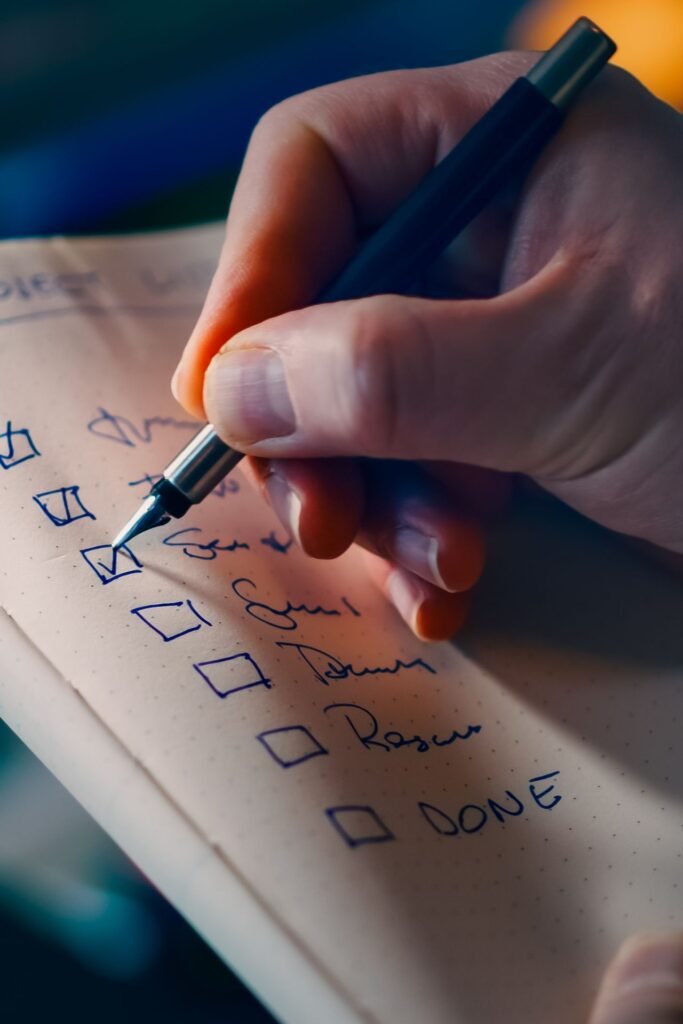 If you remember nothing else, keep these in mind:
-
Budgeting isn’t restriction — it’s direction.
-
Track your spending before making changes.
-
Make room for fun and guilt-free spending.
-
Automate savings so it feels effortless.
-
Review monthly and adjust when needed.
You don’t need to be a financial expert to be financially free — just smart, consistent, and a little intentional.