
How to Protect Your Peace When Life Feels Overwhelming (Simple Daily Practices)
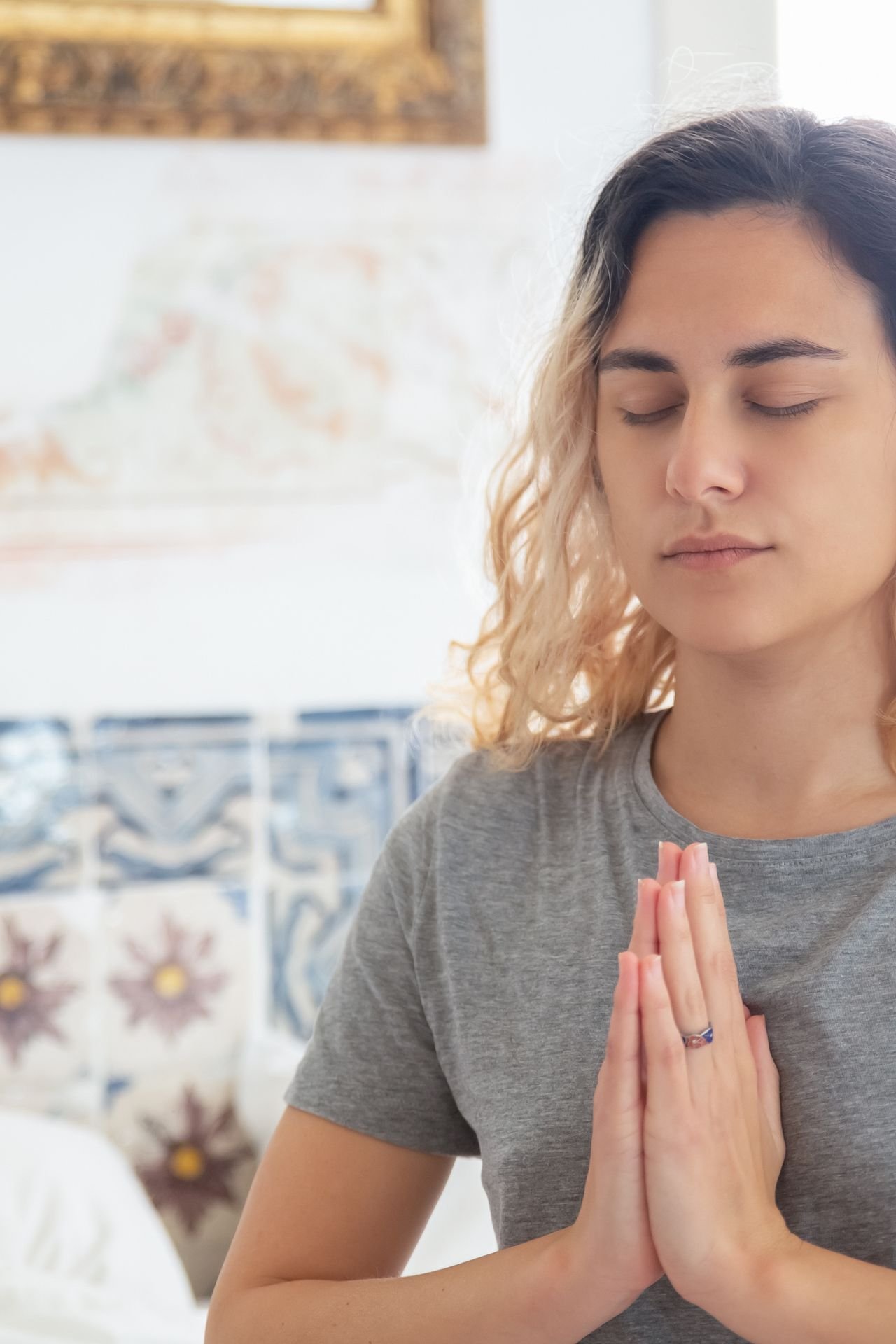
 Ever feel like your brain has fifty tabs open, and one of them won’t stop playing music?
Yeah, me too. Life gets loud. Between work, relationships, bills, notifications, and that random “urgent” email that hits at 11 PM, finding peace can feel like trying to meditate in a mosh pit. But here’s the truth: peace isn’t something you stumble upon, it’s something you protect.
Let’s talk about how to protect your peace when life feels like chaos on steroids. Not with complex rituals or expensive retreats, but with simple, daily habits that actually work.
1. Stop Trying to Be “Fine” All the Time
 You know that thing we all do? Someone asks, “How are you?” and we automatically say, “I’m fine.”
Even when our internal dialogue is basically screaming, “Actually, I’m falling apart, Susan.”
Pretending everything’s okay doesn’t protect your peace—it buries your emotions alive. The first step to real calm is to get honest with yourself.
Try this:
-
Name what you’re actually feeling (no sugarcoating).
-
Say it out loud or jot it in your notes app.
-
Don’t judge it, just acknowledge it.
Sounds small, but this daily check-in clears the emotional fog that builds up. You can’t protect peace you don’t understand.
2. Guard Your Energy Like It’s a Rare Pokémon
 Not every text, call, or “quick favor” deserves your time.
Your peace leaks every time you say “yes” when you really mean “ugh, no.”
Protecting your energy means:
-
Saying no without apologizing for it.
-
Limiting contact with people who drain you.
-
Taking guilt-free breaks from social media (yes, even from that one group chat).
You don’t owe your time to everyone. IMO, protecting your peace is basically a form of emotional boundary-setting disguised as self-respect.
3. Create a “Peace Ritual” (Even if It’s Just 10 Minutes)
 Don’t overthink this. You don’t need crystals, chants, or a perfectly lit candle (though hey, if that helps—go for it).
A peace ritual is any daily activity that helps you breathe again.
A few simple examples:
-
Morning coffee without scrolling your phone.
-
Five minutes of deep breathing before work.
-
Journaling your worries, then literally closing the notebook.
-
Evening walks where you don’t think about tomorrow.
You’re training your brain to chill, one small ritual at a time. These micro-moments are how peace sneaks back into your life quietly, like sunlight through curtains.
4. Detox Your Digital Space
 Your phone might be the biggest thief of your peace. Let’s be honest, how many times have you opened Instagram for “five minutes” and ended up spiraling into comparing your life with someone’s vacation reel from Greece?
Here’s how to reclaim digital peace:
-
Unfollow accounts that make you feel “less than.”
-
Mute negativity (yes, that cousin who only posts drama counts).
-
Schedule screen-free hours—especially before bed.
It’s not about quitting social media. It’s about curating what enters your mental space. Think of it like mental housekeeping. Dust off what doesn’t serve you.
5. Move Your Body (Even If You Don’t “Feel Like It”)
 I know. Exercise advice always sneaks into these articles like an uninvited guest, but hear me out.
Movement isn’t just about fitness—it’s therapy in disguise. When your body moves, your brain gets a break from the mental chaos. You release endorphins, process tension, and shift from “stuck” to “steady.”
Simple movement ideas:
-
Stretching while your coffee brews.
-
Walking instead of scrolling.
-
A mini dance party to your favorite throwback playlist (don’t lie, you have one).
You don’t have to “crush it” at the gym. Just move. Your body carries stress—help it let go.
6. Master the Art of Doing Absolutely Nothing
 When’s the last time you did… nothing?
Not scrolling, not planning, not multitasking—just being.
We live in a culture that glorifies “busy.” But constant hustle doesn’t mean progress—it just means burnout disguised as productivity.
So yeah, make time to do nothing and call it self-care. Sit on the floor. Stare out the window. Let your thoughts wander like toddlers in a toy store. It’s uncomfortable at first, but eventually, it becomes freedom.
7. Simplify Your Environment, Simplify Your Mind
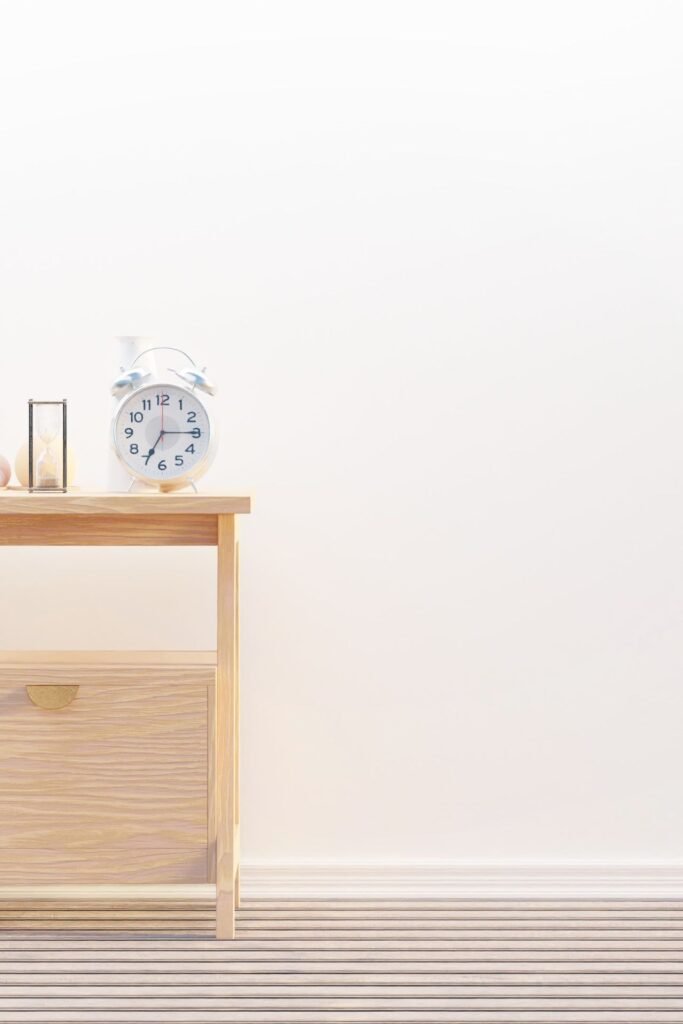 You know that strange sense of calm you feel after cleaning your desk? That’s no coincidence.
Clutter is low-key mental noise. It competes for your attention, even when you don’t realize it.
A quick “peace declutter” routine:
-
Tidy one small space each morning (your desk, your nightstand, your mind).
-
Light a scent you love while doing it—lavender, citrus, whatever feels peaceful.
-
Keep only what adds value or joy.
Your space should recharge you, not remind you of everything undone.
8. Stop Comparing Your Timeline to Others
 Nothing kills peace faster than the silent game of “compare and despair.”
You know, that moment when you scroll through LinkedIn or Instagram and suddenly question every decision you’ve made since 2012?
The truth? Everyone’s timeline is custom-built. Some people peak at 25, some at 45, some never “peak” at all—they just keep growing.
Comparison is the thief of joy, sure, but it’s also the thief of presence. Protect your peace by staying grounded in your story.
9. Talk It Out (You’re Not Meant to Do This Alone)
 Protecting peace doesn’t mean isolating yourself. Sometimes, it’s about asking for help—something most of us avoid like the plague.
Talk to a friend, a therapist, or even your pet (hey, no judgment). Speaking your thoughts aloud releases mental pressure.
You don’t need to be “strong and silent.” Strength is being real about how much you’re carrying.
10. Sleep Like You Actually Value Yourself
 You can’t protect peace when you’re running on caffeine and hope.
Sleep is the foundation of emotional balance, and yet most of us treat it like an optional luxury.
Try this bedtime routine:
-
No screens an hour before bed.
-
Write down your worries (get them out of your head).
-
Play soft sounds or read something comforting.
Peace begins the night before. Treat your rest like a ritual, not an afterthought.
11. Stop Over-Explaining Yourself
 Here’s a wild idea: you don’t owe everyone an explanation.
If you cancel plans, say “no,” or change direction in life, that’s your right. Over-explaining is people-pleasing in disguise, and it drains emotional energy faster than you think.
You can protect your peace by learning to say:
-
“That doesn’t work for me.”
-
“I just need some time today.”
-
“I’m not up for that, but thank you.”
Short, respectful, and done. No TED Talk required.
12. Practice Gratitude Like It’s a Daily Vitamin
 This one sounds cliché, I know, but gratitude rewires your brain faster than any self-help book ever could.
When life feels overwhelming, gratitude doesn’t erase your problems—it just shifts the spotlight. Suddenly, instead of focusing on what’s missing, you start noticing what’s already here.
Try writing three small things you’re grateful for every night. Not the big, fancy stuff—just real, simple things:
-
Morning sunlight.
-
A friend who gets your weird jokes.
-
That one perfect cup of coffee.
It’s not about being blindly positive. It’s about remembering you still have peace tucked between the chaos.
13. Reconnect with Something Bigger
 Peace grows when you reconnect with something outside your daily grind. For some, it’s spirituality. For others, it’s nature, art, or volunteering.
Whatever makes you feel small in a good way—do more of that.
Look at the stars, walk barefoot, breathe air that hasn’t been through your air conditioner.
Sometimes, peace is just perspective.
14. Remember: Protecting Peace Is a Daily Choice
 Peace isn’t a permanent state. It’s a practice.
Some days, you’ll feel grounded and glowing. Other days, chaos wins. That’s okay. The point is to keep showing up for yourself, even when life doesn’t cooperate.
You don’t need perfection to have peace. You just need awareness and consistency.
Wrapping it up
When life feels overwhelming, peace won’t magically knock on your door with flowers. You have to build it, guard it, and feed it daily.
Start small. Protect your mornings. Set boundaries that actually stick. Laugh more. Sleep better. And when things go sideways, take a breath and remind yourself: You’re allowed to pause.
Your peace is not a luxury—it’s your lifeline. And protecting it? That’s the real flex. 😉