
How to Reconnect With an Old Friend After Years Apart (Without It Feeling Awkward)

You think about them every few months. You still haven't texted. Sound familiar?
Here's the secret: they probably think about you too. Both of you wait for the other person to go first, so nobody moves at all. This guide shows you how to reconnect with an old friend without cringing through the whole process.

Why Reconnecting Feels So Weird
The awkwardness comes from the story you tell yourself. You assume your friend feels annoyed that you vanished, or that they've moved on and will find your message random. Your brain loves a worst-case scenario.
Reality usually looks different. Research on this exact situation suggests people underestimate how much others appreciate hearing from them. Most people feel flattered, not irritated, when an old friend resurfaces.
I learned this the hard way. My friend Dana moved to Portland, and we let the texts dwindle for almost five years. I kept telling myself the gap had grown too big to bridge. When I finally sent a message, she replied in six minutes. Six minutes! I wasted five years on a problem that took one text to solve.

Figure Out Your "Why" First
Before you type anything, ask yourself why you want this friend back. Your honest answer shapes everything you say next. Most people land in one of these camps:
- You miss them. The simplest and best reason.
- Something reminded you of them. A song, a city, an inside joke.
- A life event happened. A move, a new job, a birth, a loss.
- You regret how things ended. This one needs more care.
- You want something. A favor, a job lead, a wedding guest.
That last one deserves a warning. If you only want a favor, don't disguise it as a heartfelt reunion. People smell that from a mile away, and you'll burn a bridge you might have rebuilt honestly.
Not sure which camp you're in? Try finishing this sentence: "I'm reaching out because…" If the answer makes you smile, you're ready. If it makes you squirm, pause and think it over first.

How to Reconnect With an Old Friend: Step by Step
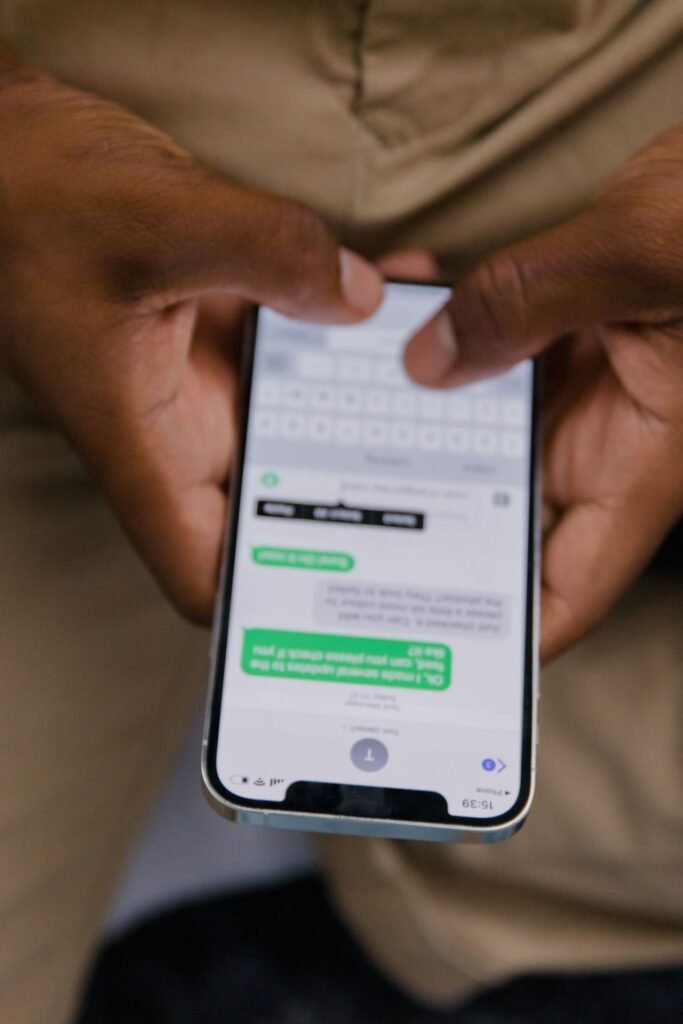
Step 1: Pick the Right Channel
Your choice of medium sets the tone. A dramatic phone call out of nowhere puts pressure on both of you, while a low-key message lets your friend respond on their own schedule. Here's how the main options stack up:
- Text or DM: Low pressure, fast, and easy to answer. Best for most situations.
- Email: Good if you've lost their number or you want to write a bit more.
- Handwritten card: Memorable and sweet, but slow. Great after a big life event.
- Phone call: Warm, but intrusive as an opener. Save it for the second round.
IMO, a short text or social media DM wins almost every time. It feels casual, and it gives your friend a moment to smile before they answer. Cold calls from a long-lost friend make most people panic and wonder who died.
Step 2: Write a Message That Doesn't Sound Like a Hostage Note
Keep it short, specific, and easy to answer. I use a simple three-part formula:
- A warm opener. "Hey, I've been thinking about you."
- One specific memory or trigger. "I passed that taco place we used to haunt after midterms."
- An easy invitation. "How are you doing? I'd love to catch up."
Here's a real-feeling example: "Hey Dana! I heard a song from our road trip playlist today and immediately thought of you. How's life in Portland? I'd love to hear what you've been up to."
That message works because it asks for almost nothing. Your friend can reply with one line or ten, and either option feels fine.
Step 3: Address the Gap (Briefly)
Do you owe an apology for the silence? Usually a single sentence covers it. Something like "I'm sorry I fell off the map, life got loud" acknowledges the gap without turning your message into a confession.
Skip the three-paragraph explanation. Nobody wants to read your life story before they've even said hello. Own it, then move on.
What to Say (and What to Skip)
Some messages invite a conversation. Others make people quietly close the app. Here's the difference.

Say This
- Something genuine. "I miss our late-night diner runs."
- A specific memory. Specifics prove you actually care, because nobody fakes a detail.
- A question. Questions give your friend a clear way to respond.
Skip This
- "We should totally catch up sometime!" You've said this to fifty people, and you never meant it. It sounds hollow.
- Guilt trips. "You never reached out either" starts the reunion with a fight.
- A giant life update. Save your five-year highlight reel for later.
- Heavy topics. Don't open with the reason the friendship ended unless you truly need to address it.
FYI, if the friendship ended on bad terms, a short and sincere apology often works better than a long explanation. Say what you regret, skip the excuses, and let your friend decide what happens next. You can't control their response, but you can control your honesty.
Move From Text to a Real Conversation
Great, they replied. Now what? Don't let the thread die in an endless loop of "we should hang out soon."
Suggest a specific, low-stakes plan after a few messages. Try "Want to hop on a video call Sunday afternoon?" or "I'm in town next month, can I buy you a coffee?" Specific plans turn vague good intentions into actual events.
Don't be afraid to propose the plan yourself. Waiting for your friend to suggest something often means waiting forever, since they're probably just as nervous as you are.
Keep that first meeting short. An hour is plenty, because you're testing the chemistry, not rebuilding a decade in one sitting. Pick an activity with built-in breaks, like a walk or a coffee, instead of a three-hour dinner where silence feels like a failure.

Expect Some Awkwardness (Then Move Through It)
The first few minutes may feel stiff, and that's normal. You've both changed. Your friend might have kids, a new city, a different job, or totally different politics.
Treat them like someone you're getting to know again, not someone you need to pick up exactly where you left off. Ask real questions. Listen more than you talk. People remember how you made them feel, and curiosity beats a perfect anecdote every time.
Lean on your shared history, too. Old stories break the ice faster than any small-talk script. "Remember when we got lost for two hours looking for that concert?" will get a laugh before you finish the sentence. 🙂
If a pause drags on, just laugh and name it. "This is a little weird, right? I'm so glad we're doing it anyway" works wonders.

What If They Don't Reply?
Silence stings, but it rarely means what you fear. Most unanswered messages get buried, forgotten, or postponed until "I have time to write something good." I've done that myself, and I've felt terrible about it afterward.
Here's a sensible plan:
- Wait two weeks. Give them breathing room.
- Send one gentle follow-up. Keep it light: "No pressure at all, just wanted to say hi again."
- Let it go if you hear nothing. You tried, and that counts.
Also, resist the urge to scan their social media for clues. Seeing that they posted a photo yesterday tells you nothing useful, and it only makes the waiting harder.
A college roommate of mine once answered four months after my first message. She apologized, we talked for two hours, and we still text weekly. Had I pushed or sulked, that friendship wouldn't exist.
Sometimes, though, the silence means no. That hurts, but it also gives you an answer. You can't force a friendship back to life, and you shouldn't try.

Keep the Friendship Alive This Time
Reconnecting is the easy part. Staying connected takes effort, and that's where most revived friendships fade again. How do you avoid repeating the same drift?
- Set a rhythm. A monthly call or a quarterly visit beats vague promises.
- Send small stuff. A meme, a photo, or a "this reminded me of you" costs ten seconds and keeps the thread alive.
- Show up for big moments. Birthdays, job changes, and hard days matter more than perfect weekly check-ins.
- Lower your expectations. Adult friendships rarely look like college friendships, and that's fine.
Don't try to recreate the past exactly. Build something that fits the people you both are now, not the people you were at twenty-one.

Final Thoughts
Learning how to reconnect with an old friend comes down to one brave, simple move: send the message. Keep it short, make it specific, and ask for almost nothing. Then give the other person room to answer.
You might get a six-minute reply like I did with Dana. You might get silence, or you might get a four-month delay and a lifelong friend. Every outcome beats wondering "what if" for another five years.
So open your phone and find that name. What's the worst that can happen?