
5 Ways to Stop Living Paycheck to Paycheck

 Be honest — do you ever find yourself counting down the days until payday like it’s a national holiday? That anxious mix of relief and dread, when your salary hits and then vanishes within days? Yeah, been there. It’s not that you’re bad with money, it’s that no one really teaches us how to manage it in a way that actually sticks.
The good news? You can stop that constant paycheck-to-paycheck cycle without becoming a financial monk. You don’t have to cancel your weekend plans, skip your favorite latte, or start selling old gadgets on the internet (unless you want to).
Let’s talk about five simple, doable ways to break that cycle and start feeling like you’re in control of your money — not the other way around.
1. Get Real About Where Your Money Goes

You can’t fix what you can’t see. Most of us have a vague idea of where our money goes, but vague is not the same as clear.
Ever checked your bank statement and thought, “Wait, how did I spend ₹1,200 on snacks?” Yeah, same. The first step to breaking the cycle is getting brutally honest about your spending.
Start small. Track your expenses for one month. Write it down in a notebook or use free apps like Mint or PocketGuard. The goal isn’t to shame yourself; it’s to spot patterns.
You’ll probably notice:
-
Regular payments you forgot about (subscriptions, memberships, etc.)
-
Small purchases that add up fast (yes, those delivery fees count)
-
Categories that eat most of your paycheck (food, shopping, impulse buys)
Once you see where your money leaks, you can plug the holes. It’s like cleaning a messy closet — a bit painful at first, but freeing afterward.
2. Build a “Buffer” — Even a Small One

Let’s be real, saving money when you’re barely keeping up sounds impossible. But here’s the trick — you don’t need to save a fortune right away.
The goal is to build a small financial buffer so you’re not one emergency away from panic mode.
Start with something simple like ₹500 or ₹1,000 a week (or whatever amount feels realistic). Keep it in a separate account labeled “Buffer” or “Emergency.” Seeing that number grow, even slowly, changes everything.
Because here’s what happens when you have a buffer:
-
You stop relying on credit cards for every unexpected expense.
-
You stop panicking when your car, phone, or fridge acts up.
-
You start feeling safe knowing you’ve got backup.
It’s less about the amount and more about building the habit of saving. That’s what breaks the paycheck cycle long-term.
3. Automate Your Money (So You Don’t Have to Think About It)
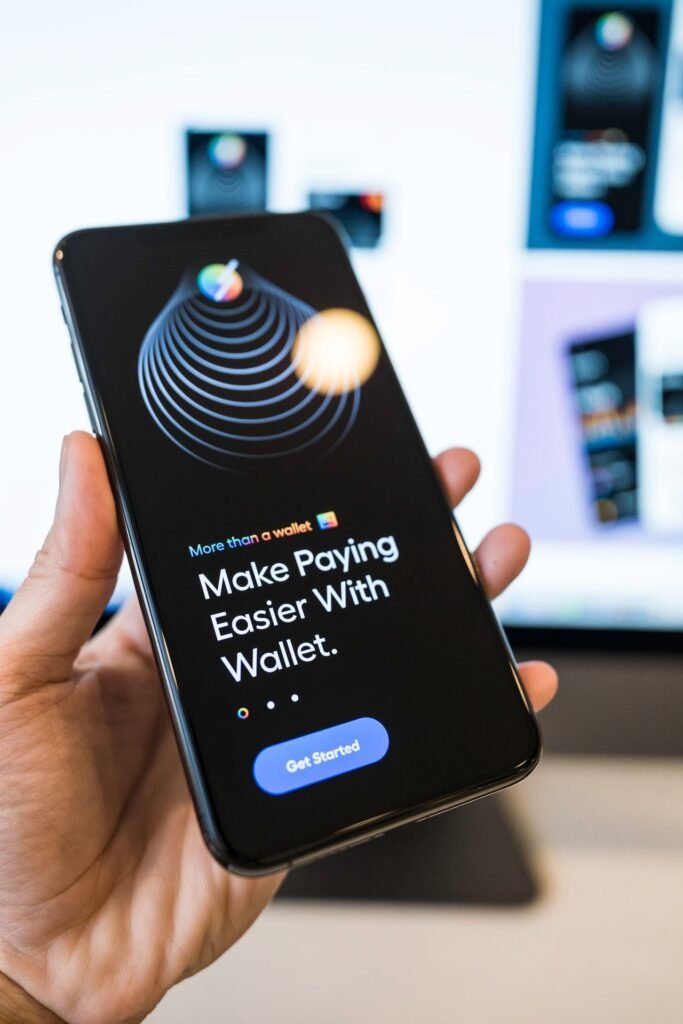
This one is a game-changer. You know how easy it is to forget to save when bills, plans, and life keep coming at you? The solution is simple — automation.
Set up automatic transfers right after payday:
-
Savings: A small chunk that goes straight to your savings account.
-
Bills: Schedule automatic payments for recurring expenses.
-
Fun Money: Yes, even your fun money deserves automation.
Here’s why this works: when you take the decision out of your hands, you eliminate the risk of “I’ll save later” syndrome.
Plus, automation helps you live within what’s left, not what you wish you had. It’s like giving your money a job before it has a chance to disappear.
And trust me, nothing feels better than seeing your bills paid and your savings growing — automatically.
4. Cut Smart, Not Hard

Here’s where most people mess up. They try to save by cutting everything fun. They stop eating out, cancel every subscription, and end up miserable by the second week.
That doesn’t work because it’s not sustainable. The real trick is to cut smart, not hard.
Start by asking yourself: “What’s giving me the least value for my money?”
For example:
-
Paying for three streaming platforms but only watching one? Cut the extras.
-
Ordering takeout three times a week? Make it one and cook twice.
-
Subscriptions you forgot existed? Cancel and move on.
The goal isn’t to restrict joy — it’s to remove waste. Because saving money should feel empowering, not punishing.
And the fun part? Once you eliminate the “meh” expenses, you’ll have more money for the things that actually matter to you.
5. Start Planning — Even a Little

Living paycheck to paycheck often comes down to reactive spending. Money comes in, and you react to whatever needs attention first — bills, groceries, or that random sale you just saw online.
To break that loop, you need to start planning your money before it arrives.
Try this:
When your salary hits, give every rupee a purpose. Literally.
-
Rent or mortgage? ✅
-
Utilities and groceries? ✅
-
Savings? ✅
-
Fun stuff? ✅
When you assign every bit of income a “job,” you stop money from disappearing aimlessly. It’s called zero-based budgeting, and it’s a total mindset shift.
Even better, planning ahead helps you stop chasing your paycheck. You start using money as a tool instead of reacting to it like an emergency every month.
Bonus: Add a Side Income (But Make It Work for You)

Okay, let’s address the obvious. Sometimes the math just doesn’t math — expenses outnumber your income. When that happens, cutting costs can only go so far.
That’s where side income comes in.
But hold on, this doesn’t mean you need to start a business or work 16-hour days. It could be something small that fits your lifestyle:
-
Freelance on weekends (writing, design, tutoring, etc.)
-
Sell unused items online.
-
Offer local services like pet-sitting or online coaching.
Even an extra ₹5,000–₹10,000 a month can make a massive difference when you’re trying to escape the paycheck trap. The key is to use that extra money wisely — not just spend more.
How to Stay Consistent When It Feels Hard

Breaking the paycheck cycle isn’t just about numbers — it’s about mindset. You’re rewiring years of habits and emotional patterns with money. So don’t expect overnight magic.
Here’s what helps you stay consistent:
-
Celebrate small wins. Saved ₹500 this week? Awesome, you’re building momentum.
-
Forgive slip-ups. Overspent one weekend? No big deal, just adjust next week.
-
Keep learning. Read, listen to podcasts, or follow money creators who teach practical tips.
The goal is progress, not perfection. Because money confidence builds slowly — like a muscle.
Common Mistakes That Keep You Stuck

Let’s get real about a few habits that keep people living paycheck to paycheck:
-
Using credit cards like extra income.
They’re not. They’re future bills in disguise. -
Ignoring “small” expenses.
Those ₹100 transactions? They add up faster than you think. -
Not tracking your spending.
If you don’t know where it’s going, it’s already gone. -
Thinking saving is optional.
Saving isn’t a reward for being rich — it’s the reason people become stable.
Awareness is half the battle. Once you spot the mistakes, you can course-correct easily.
Real Talk: You Don’t Need to Be Rich to Feel Secure

A lot of people think financial peace only comes with a big paycheck. But the truth? It’s about how you manage what you have.
You can earn ₹30,000 a month and feel stable if you plan smart. You can also earn ₹1 lakh a month and still be broke if you don’t.
The difference is mindset. The people who escape the paycheck cycle aren’t necessarily earning more — they’re just making better decisions consistently.
Quick Recap: The 5 Steps to Break Free

Here’s your mini checklist:
-
Track every rupee — awareness first, change second.
-
Build a small buffer — even ₹500 a week matters.
-
Automate your finances — save and pay bills without thinking.
-
Cut smart, not hard — remove waste, not joy.
-
Plan your money ahead — tell every rupee what to do.
Follow these five steps, and the next time payday hits, you won’t just breathe easier — you’ll feel like you’re finally in control.
Final Thoughts: Take Back the Power

Living paycheck to paycheck feels exhausting because it keeps you stuck in survival mode. But once you start making small, consistent changes, everything shifts.
You stop chasing your money. You stop stressing over every bill. You start feeling calm, confident, and in charge.
And the best part? You don’t need to wait for a miracle raise or a lucky break to start. You can take one small step today — track your spending, set up that buffer, automate your savings — and you’re already moving forward.
So here’s your friendly reminder: you’re not bad with money, you just need a system that actually fits your life. Start now, stay consistent, and your future self will thank you big time. 🙂